The Renters' Rights Bill uk, known officially as the Renters (Reform) Bill, is shaping up to be the biggest shake-up of the UK's private rental sector in more than thirty years. It’s a landmark piece of legislation designed to rebalance the scales between landlords and tenants, creating a rental market that’s fairer and far more secure for everyone involved. One of its headline changes is the end of so-called 'no-fault' evictions.
A Fundamental Shift in UK Renting
For a long time, the private rental market has been tilted in a way that many felt gave landlords the upper hand. The Renters (Reform) Bill is here to change that. Instead of seeing it as a dense legal document, think of it as a foundational rebalancing act. The goal is to give tenants much-needed security in their homes, while also making sure landlords have clear, solid grounds to get their property back when they have a legitimate reason.
This isn’t just a small adjustment; it’s a complete overhaul that will touch the lives of millions. The changes will have a direct impact on:
- Private Tenants: Who stand to gain a level of security and stability they've never had before.
- Landlords: Who will need to get to grips with new rules for managing their properties and tenancies.
- HMO Managers: Who must update how they run their shared living spaces to stay compliant.
The need for this reform became crystal clear against the backdrop of an incredibly tough rental market. The Renters' Rights Act 2025 finally received Royal Assent on October 27, 2025, a massive moment for the 11 million private renters in England. The pressure for change had been building for years, especially as data showed average private rents in England shot up by 8.6% in the year to July 2024. To make matters worse, property portal Rightmove reported that an average of 17 households were competing for every single rental property advertised.
So, What Does This Bill Actually Do?
At its core, the bill brings in several game-changing measures to bring the rental system up to date. It’s a move away from the old world of fixed-term tenancies and Section 21 notices, which often left tenants walking on eggshells, never knowing when they might be asked to leave.
The new legislation is all about creating a rental market where both tenants and landlords know exactly where they stand, with clear rights and responsibilities. It’s an attempt to professionalise the sector, cutting through the old ambiguities to provide a straightforward framework for all.
The two pillars of this reform are the abolition of 'no-fault' evictions and the creation of a national landlord portal. These are designed to inject a huge dose of transparency and accountability into the system. By taking away the fear of being evicted for no reason, tenants can feel more confident about asking for repairs or flagging issues without worrying about repercussions.
For landlords, especially those managing HMOs or a portfolio of properties, staying on top of these changes is non-negotiable. We have plenty of resources for landlords on our https://www.roomsforlet.co.uk/blog/ to help you get ahead of the curve. This guide will break down exactly what these changes mean for you in the real world, whether you're letting out a single room or managing dozens.
The End of Section 21 and Fixed-Term Tenancies
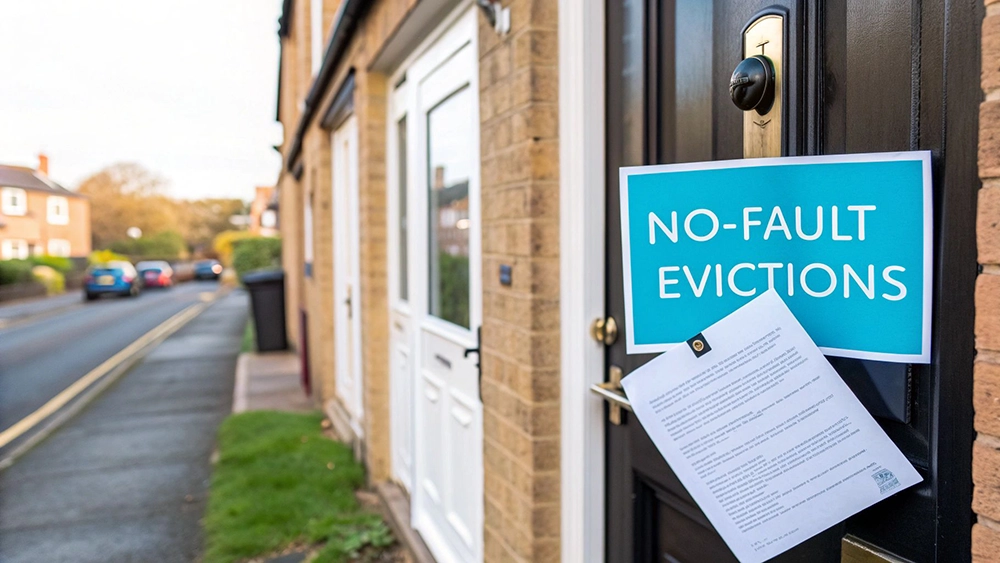
The biggest headline from the renters rights bill uk is the total abolition of Section 21 ‘no-fault’ evictions. This is the absolute core of the new legislation, designed to give tenants a level of stability they’ve never had before in the private rented sector.
For decades, Section 21 has acted like a trapdoor under every tenancy. It gave landlords the power to evict tenants without giving any reason at all, often leaving people afraid to report disrepair or ask for basic maintenance in case they were asked to leave. The new bill slams that trapdoor shut for good.
This means landlords can no longer end a tenancy just because a fixed term has ended or because they want the property back without a specific, legally sound reason. It’s a fundamental shift towards making renting a more secure, long-term housing option.
A New Era of Rolling Tenancies
To make the end of Section 21 work, the bill also gets rid of the standard fixed-term Assured Shorthold Tenancies (ASTs) we've all become used to. Instead, every new tenancy will be a rolling, periodic agreement right from day one.
Think of it as moving from a rigid one-year contract to a more flexible, continuous agreement. This new system gives tenants far more control. They can now give two months' notice to leave at any point, offering a freedom that was pretty much unheard of before.
It’s a huge plus for tenants who might need to move for a new job or other life changes without being shackled to a long contract. As the new rules might mean changes for some people, it's always worth checking out a practical guide on moving house to plan everything smoothly.
How Tenancy Agreements Will Change
The switch to periodic tenancies really simplifies things. Gone are the days of complex renewal paperwork and break clauses; now, there’s just one unified structure. Let’s take a look at how the new world compares to the old.
Tenancy Agreements Before and After the Renters Rights Bill
This table breaks down the key differences between the old ASTs and the new periodic tenancy system, showing just how much is about to change for both landlords and tenants.
| Feature | Before the Bill (Assured Shorthold Tenancy) | After the Bill (Periodic Tenancy) |
|---|---|---|
| Eviction Method | Section 21 (no-fault) and Section 8 (with grounds) | Only Section 8 (with specific, proven grounds) |
| Tenancy Structure | Starts with a fixed term (e.g., 6 or 12 months) | A rolling periodic tenancy from the start |
| Tenant's Notice | Typically could not leave during the fixed term | Can give two months' notice at any time |
| Landlord Security | Ability to regain property easily after a fixed term | Relies on strengthened, specific grounds for possession |
As you can see, the balance shifts from landlord flexibility via Section 21 towards tenant security, with clear and fair rules for ending a tenancy when there's a legitimate reason.
The core idea is to create a rental market where good tenants can put down roots and feel secure in their homes, while good landlords have robust, clear pathways to regain their property when they have a legitimate need.
Strengthened Grounds for Landlords
While Section 21 is disappearing, the bill doesn't leave landlords high and dry. Far from it. It actually strengthens the existing Section 8 grounds for possession, making them clearer, more comprehensive, and easier to use when genuinely needed.
These updated grounds are designed to give landlords fair and straightforward ways to get their property back. The crucial difference is that a reason must now be given and, if it comes to it, proven.
Some of the key strengthened grounds for possession include:
- Selling the Property: Landlords who genuinely intend to sell their property will have a clear route to regain possession.
- Landlord or Family Moving In: If a landlord or a close family member needs to move into the property, this will be a valid reason.
- Persistent Rent Arrears: The rules around evicting tenants for serious rent arrears have been tightened to better protect landlords from financial hardship.
- Anti-Social Behaviour: The grounds for removing tenants who engage in disruptive or criminal anti-social behaviour have been clarified and strengthened, making it easier to tackle problem tenants.
This new framework is all about balance. It removes the arbitrary power of 'no-fault' evictions but gives landlords the proper tools they need to manage their properties responsibly. It's a move towards a more professional and transparent rental sector for everyone involved.
New Property Standards and Landlord Obligations

The renters rights bill uk is about far more than just tenancy agreements. It’s set to raise the bar for the actual quality of rental properties themselves, marking a huge step forward for the sector.
A cornerstone of this change is extending the Decent Homes Standard to private rentals for the very first time. Previously, this was a benchmark only social housing had to meet, but now every privately rented home will need to clear this hurdle. Think of it as a universal ‘MOT’ for rental properties, ensuring every tenant has a home that’s safe, warm, and in good nick.
This move is designed to get tough on the long-standing problem of poor-quality housing. For landlords, it provides a much clearer rulebook on what’s expected.
What Is the Decent Homes Standard?
Don’t mistake the Decent Homes Standard for a measure of luxury; it’s about establishing a baseline for safety and liveability. It essentially turns legal duties into a practical checklist covering everything from property condition to health and safety hazards.
Under these new rules, a property will be classed as ‘non-decent’ if it fails on specific criteria. This could be anything from serious health hazards to just not being in a reasonable state of repair or lacking modern facilities.
The goal is simple: every tenant should have a home free from serious risks like damp, mould, or dodgy wiring. It also means having the basics for modern living, like a functioning kitchen and bathroom.
To stay on the right side of the law, landlords need to be on top of all the relevant building codes. For example, fixtures like balconies must comply with safety rules, as detailed in this Practical Guide to Building Regulations for Balustrades. Getting these details right is now a fundamental part of a landlord's obligations.
Introducing the Landlord Portal
To bring some much-needed transparency to the rental market, the bill introduces a mandatory Property Portal. This is a new digital platform that will act as a central database for all private landlords and their properties across England.
Landlords will be legally required to sign up and register their properties on the portal. It’s a straightforward step that will help local councils identify and crack down on rogue landlords, while also giving tenants a way to check their landlord is legitimate and compliant.
The Property Portal will have a few key functions:
- Mandatory Registration: Every landlord will need to register, providing essential details about their properties.
- Compliance Checks: The portal will help authorities confirm that landlords are meeting their legal duties, like having a valid gas safety certificate.
- Tenant Information: Tenants will be able to look up their landlord to confirm they’re adhering to the law.
The system is designed to help good landlords show off their professionalism, while making it much harder for criminal operators to fly under the radar.
A New Ombudsman for Dispute Resolution
Alongside the portal, the bill will establish a new Private Rented Sector Ombudsman. This independent body is being set up to provide a fair, impartial, and much faster way to resolve disputes between landlords and tenants without having to go through the courts.
Right now, sorting out issues like withheld deposits or getting essential repairs done can be a slow and costly nightmare. The Ombudsman offers a streamlined alternative, designed to handle complaints quickly and effectively.
Membership will be mandatory for all private landlords, which means every tenant gets free access to this resolution service. Crucially, the Ombudsman will have the power to issue binding decisions and can order landlords to pay compensation of up to £25,000.
This new system aims to level the playing field, giving tenants a powerful tool to enforce their rights and hold landlords to account. For good landlords, it offers a structured process for handling disagreements, avoiding the cost and stress of a court battle.
Understanding New Rules for Rent Increases

Let's face it, the financial side of renting can be a real source of anxiety for everyone involved. The Renters' Rights Bill UK is set to bring some major changes to how rent increases are handled, aiming for more predictability and fairness in a process that has often felt all over the place.
The new rules are really about stopping those sudden, steep hikes that can leave tenants scrambling. For landlords, they offer a much clearer, structured way to adjust rent in line with the market, making sure the entire process is transparent and legally solid from day one.
A New Annual Cycle for Rent Reviews
Probably the single biggest shift is the move to a strict yearly cycle for any rent reviews. Under the new legislation, landlords can only increase rent once every 12 months. This simple change puts a full stop to more frequent adjustments, which often created huge financial uncertainty for tenants.
To make an increase, landlords will have to give a minimum of two months’ written notice using a specific legal form. This isn't just a courtesy; it's a legal requirement that gives tenants proper time to budget for the new amount. If they feel it's unfair or just not affordable, it gives them a window to figure out their next move.
It’s a straightforward tweak that turns a dreaded, unpredictable event into a scheduled, manageable part of the tenancy.
Challenging Unreasonable Rent Increases
So, what happens if a tenant gets a notice and thinks the new rent is way over the top? The bill creates a clear and accessible path for them to challenge any increase they believe is above the going market rate in their area.
Instead of getting into a difficult negotiation or just having to accept it, tenants can now appeal to an independent First-tier Tribunal. Think of this body as an impartial referee.
Here’s a quick look at how it will work:
- The Tribunal's Role: It will assess the proposed rent against similar properties in the local area to decide what's fair.
- Binding Decision: The tribunal's decision is final and binding for both the landlord and the tenant. They could agree with the landlord, set a lower rent, or even decide on a higher rent if they find the landlord’s proposal was actually below market value.
- Preventing Retaliation: This is key. Because Section 21 is being abolished, tenants can actually use this process without the fear of a retaliatory eviction for daring to question their landlord.
This new mechanism is designed to ensure rent increases are genuinely tied to market conditions, not just a landlord’s whim.
This new system empowers tenants to question unfair hikes while giving landlords a clear benchmark—market value—for their pricing. It moves the conversation from a power imbalance to one based on objective evidence.
The End of Rent Bidding Wars
Another huge change brought in by the Renters' Rights Bill UK is an outright ban on rent bidding wars. For far too long, people looking for a new home have been pressured into offering more than the advertised rent just to get a foot in the door. It created an opaque and frankly unfair process.
Soon, this practice will be illegal. Landlords and letting agents will be prohibited from encouraging or inviting any bids that go over the advertised price. The rent you see listed is the rent you should expect to pay.
This reform is all about levelling the playing field. It brings some much-needed transparency right to the start of a tenancy, making sure properties are offered at a clear price so tenants can budget properly and compete fairly for a new home.
Timeline and Implementation: What Happens Next?
The Renters' Rights Bill is a huge shake-up for the rental sector, but don’t expect everything to change overnight. The government is planning a phased rollout, giving everyone—landlords, agents, and tenants—a chance to get their heads around the new rules. Understanding this timeline is key to staying on the right side of the law and getting your business ready for what’s coming.
Think of it less like flipping a switch and more like a managed sequence of events. The plan is to introduce the biggest changes for new tenancies first, before eventually bringing existing ones into the fold. It's a gradual approach designed to give the market a smoother transition.
Phase One: The Initial Rollout
The first major changes are expected to land from late 2026. This initial phase will tackle the core tenancy reforms that are the heart and soul of the new legislation. Landlords and tenants will need to be ready for these foundational shifts.
The key elements kicking off in this first stage include:
- The end of Section 21 'no-fault' evictions for all new tenancies.
- The switch to rolling periodic tenancies for any new rental agreements.
- The introduction of the new, strengthened Section 8 grounds for possession.
Crucially, these rules will only apply to tenancies that begin after the implementation date. This gives landlords with existing fixed-term contracts a window to prepare before their current agreements are brought under the new system.
Phase Two: The New Infrastructure
Once the initial tenancy reforms are in place, the focus will shift to the new infrastructure designed to support the market. The government has confirmed that following the initial late 2026 tenancy reforms (including the abolition of Section 21), a new mandatory database will be introduced.
In Stage 1, all landlords in the private rented sector will be required to register. Then, in Stage 2, which is pencilled in for 2028, this database will be made public. At the same time, a mandatory PRS Landlord Ombudsman will be established to handle dispute resolution. You can read more about the implementation of the Renters' Rights Act 2025 to get the full picture.
This staged approach makes a lot of sense. It ensures the core legal changes can bed in first, followed by the systems that will enforce them. The Landlord Portal and Ombudsman are the tools that will bring much-needed transparency and accountability to the sector in the long run.
When Will This Affect Existing Tenancies?
The final piece of the puzzle is bringing all existing tenancies into the new framework. A second, separate implementation date will be announced for this, which will happen sometime after the initial rollout for new tenancies. On this date, all current Assured Shorthold Tenancies will automatically convert to the new periodic tenancy structure.
So, even if you have a tenant on a long-standing contract, you will eventually need to manage that tenancy under the new rules. The government has promised to give landlords at least six months' notice before this second date hits, which should provide enough time to update your processes and let your existing tenants know what’s changing. Keeping a close eye on official announcements will be essential.
A Landlord's Perspective on Common Concerns
The move away from Section 21 and fixed-term tenancies has, quite understandably, sent a few ripples of apprehension through the landlord community. For years, these were the go-to tools for a sense of security and flexibility, especially in markets like student housing where a predictable annual turnover is simply part of the business model.
The biggest worry we hear is about losing the ability to guarantee a property will be free for a new intake of students each academic year. But it’s important to know that the renters rights bill uk hasn't left landlords high and dry; it’s been designed with specific, practical solutions to replace old methods with new, much clearer grounds for possession.
Addressing the Student Housing Cycle
So, how do you manage the academic calendar without fixed-term contracts? This is a huge concern for landlords in university towns. The good news is the government has recognised this and introduced a new mandatory ground for possession built specifically for student properties.
This allows landlords to regain their property at the end of the academic year, as long as it’s a genuine student letting. To use this ground, the tenancy agreement must clearly state it’s for students, and you must give the required notice. In practice, this gives you a reliable way to ensure your properties are ready for the next cohort, mirroring the certainty of the old system but with a different mechanism.
Financial and Administrative Adjustments
Another common worry centres on the potential for more admin and financial risk. With the introduction of a new landlord portal and a mandatory Ombudsman, some landlords are bracing for more paperwork and potential costs from dispute resolution.
There will definitely be an adjustment period, but these changes are really about professionalising the private rented sector. The key is proactive management. By keeping meticulous records, ensuring your properties meet the new Decent Homes Standard, and maintaining clear communication with your tenants, you can dramatically minimise the risk of disputes. It’s a crucial time to get your house in order, so to speak. To make things easier, you can register as a landlord for free and start managing your listings more effectively.
The new legislation creates a more formalised system, which might feel daunting at first. However, it also offers much greater clarity on everyone’s rights and responsibilities. Ultimately, it protects good landlords by making it harder for rogue operators to give the sector a bad name.
It's no surprise that uncertainty is widespread. A recent study found that nearly half (47%) of UK landlords feel they only have a basic grasp of the new laws, with lobbying efforts having been heavily weighted towards landlord representatives over tenant groups. These shifts are naturally expected to influence rent levels as landlords adapt to new responsibilities. You can dive into the full findings and learn more about landlords' views on Duttongregory.co.uk.
The timeline below gives a bird's-eye view of the key milestones, from tenancy reforms in late 2026 to the Ombudsman's establishment in 2028.
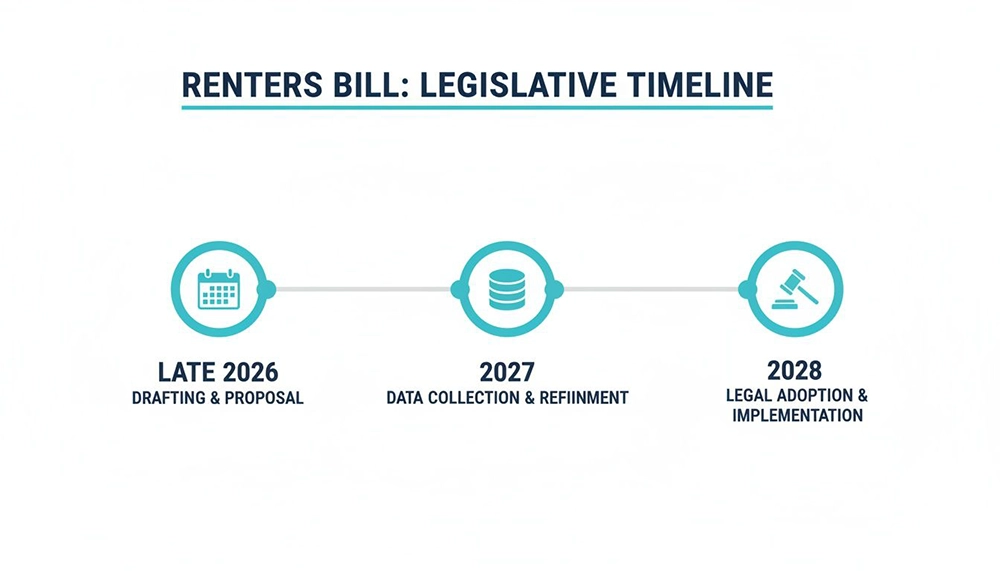
This phased rollout is designed to give landlords enough time to get their business models and paperwork ready for each new stage. By understanding these common concerns and the solutions built into the bill, you can turn uncertainty into a clear, actionable plan for the future.
Frequently Asked Questions About the Bill
It's one thing to read about the new renters rights bill uk, but it's another to figure out how it all works in the real world. This legislation is a big shift from how things have been done for years, so it's only natural for landlords and tenants to have questions about the day-to-day practicalities.
We've pulled together some of the most common queries we're hearing to give you quick, straightforward answers. This should help clear up any confusion and give you the confidence to adapt, whether you're letting out a room or living in one.
Does the Bill Affect Lodgers?
This is a really important distinction to get right. In short, the new rules – like scrapping Section 21 and shifting to rolling tenancies – are designed for tenants in the private rented sector. They do not apply to lodgers.
A lodger is someone who lives with a resident landlord and shares facilities like a kitchen or bathroom. The legal difference is crucial:
- Tenants have exclusive use of a property they rent.
- Lodgers live in their landlord's own home with permission.
Because of this, arrangements for lodgers remain much more flexible and are covered by different, less formal agreements. The main parts of this bill won't change that.
What Happens if I Need to Evict a Tenant for Anti-Social Behaviour?
This is a perfectly valid concern for landlords. The good news is the bill actually strengthens your position when dealing with genuinely problematic tenants. You'll use the updated Section 8 process, but the grounds for eviction related to disruptive behaviour are now clearer and more robust.
For serious anti-social behaviour, the notice period you have to give can be significantly shorter. The key thing to remember is that you absolutely must document everything. Keep a record of complaints from neighbours, any police reports, and all your communications with the tenant. You will need this evidence to make your case if it goes to a tribunal.
The new system is designed to protect landlords from tenants who cause real problems, but it hinges on having solid proof. The focus has moved away from 'no-fault' and towards evidence-based reasons for taking back your property.
Can I Still Refuse to Rent to Tenants with Pets?
This has been a hot topic, and the answer is a little more nuanced now. The bill doesn't give tenants an automatic right to keep pets, but it does mean landlords can no longer have a blanket "no pets" policy written into their tenancy agreements.
Instead, tenants will have the right to request to keep a pet.
As a landlord, you can't unreasonably refuse this request. To balance things out, you are allowed to require the tenant to take out pet insurance to cover any potential damage. This strikes a fair compromise, protecting your property while recognising how important pets are to so many people.
This change is all about encouraging a sensible, case-by-case conversation rather than a rigid, one-size-fits-all rule. If you're a tenant looking for a home that will welcome your furry friend, it’s a great idea to register your interest in finding a room and make your needs clear from the start.