Renting a room in East London can feel like a whirlwind. It's a place buzzing with culture and packed with unique neighbourhoods, but the pace is fast. The secret to success? Get prepared. Know your budget, shortlist your areas, and be ready to move quickly when you spot a great listing. This guide will walk you through it all, giving you the insider knowledge to find your perfect spot.
Your East London Rental Journey Starts Here
Welcome to East London—a sprawling, energetic part of the capital that pulls in everyone from students and creatives to young professionals. Think of this guide as your personal roadmap for navigating one of London’s most exciting, and often competitive, rental markets. We'll cover everything you need to know, so you feel in control every step of the way.
Forget the stress. We’re here to give you the practical, on-the-ground advice needed to find a fantastic room while steering clear of the usual headaches. Finding your next home here is a project with clear stages, not an impossible challenge.
What This Guide Covers
This isn't just about finding four walls and a roof; it’s about finding your place in the heart of East London. To make your room search as smooth as possible, we’re breaking down the essentials:
- Building Your Budget: We’ll look beyond the monthly rent to factor in deposits, council tax, and bills, giving you a realistic financial picture.
- Discovering Neighbourhoods: From the creative pulse of Hackney and Shoreditch to the village feel of Walthamstow, we'll help you pinpoint a postcode that matches your vibe.
- Mastering Viewings: You'll get a practical checklist of what to look for and the crucial questions you need to ask landlords and potential flatmates.
- Understanding the Legal Side: We'll demystify tenancy agreements, deposit protection schemes, and your rights as a tenant.
In a market this competitive, being prepared is your superpower. Get your documents in order and set up alerts now. When you find the right room, your ability to act decisively will make all the difference.
A successful search means being ready to pounce when the right opportunity comes along. Using a platform that connects you directly with landlords can cut out the middleman and give you a serious edge. Creating a profile, for example, means you get instant alerts the moment a room matching your criteria goes live.
To get a head start, you can register as a tenant on Rooms For Let and see what’s out there right now. This guide will arm you with everything else you need, from initial planning to signing on the dotted line.
East London Renting Checklist at a Glance
Navigating the rental market can feel overwhelming, so here’s a quick overview to keep you on track. Think of this as your high-level roadmap to finding a room in East London.
| Phase | Key Action | What to Focus On |
|---|---|---|
| 1. Preparation | Set Your Budget | Calculate your total monthly cost, including bills and council tax. Don't forget the one-off deposit. |
| 2. The Search | Shortlist Areas & Set Up Alerts | Research neighbourhoods that fit your lifestyle and commute. Use platforms to get instant notifications. |
| 3. Viewings | Attend & Ask Questions | Inspect the property thoroughly and get a feel for the landlord and potential flatmates. Trust your gut. |
| 4. Securing | Make an Offer & Complete Checks | Act fast when you find the one. Be ready with your documents for referencing and credit checks. |
| 5. The Finish Line | Review & Sign the Agreement | Read the tenancy agreement carefully. Check your deposit is protected before you pay anything. |
This checklist simplifies the journey, breaking it down into manageable stages so you can approach your search with confidence and clarity.
How to Budget for Renting in East London
Right, let's talk money. Before you even think about scrolling through listings for those slick Stratford new-builds or classic Walthamstow flatshares, you need a rock-solid financial plan. Budgeting for a room in East London is about much more than just the monthly rent you see advertised. Getting the full picture now will save you a world of headaches later on.
The first hurdle is always the upfront cash you'll need. You won’t just be paying your first month’s rent; you’ll also need a security deposit. The good news is this is legally capped at five weeks' rent for properties with an annual rent under £50,000, which covers pretty much every room rental scenario. A landlord might also ask for a holding deposit to take the room off the market, but this is limited to one week's rent and must be put towards your first month's payment.
Cracking the Affordability Check
Most landlords and letting agents will do an ‘affordability check’. This isn’t just a box-ticking exercise; it’s a crucial step to make sure you can actually afford the rent without stretching yourself too thin.
The industry-standard calculation is simple: your gross annual salary (before tax) needs to be at least 30 times the monthly rent. So, for a room costing £800 a month, you'll need to be earning a minimum of £24,000 per year.
If you don't quite hit that number, don't panic just yet. Some landlords are open to you having a guarantor – usually a parent or guardian who promises to cover the rent if you ever fall behind.
Getting your budget straight is the very foundation of your search, as the process below shows.
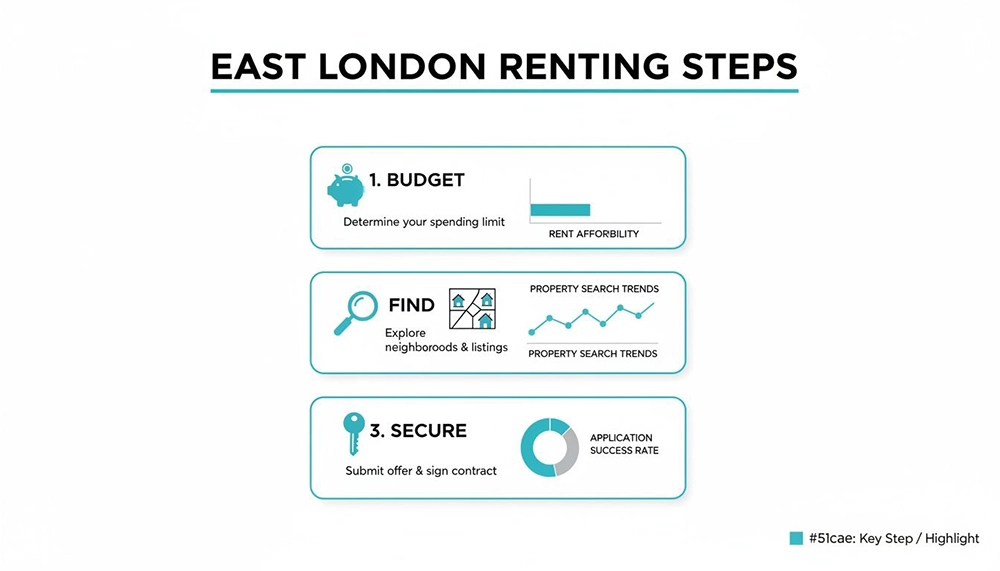
As you can see, everything starts with having your numbers figured out.
Factoring in Monthly Bills and Council Tax
Once you've got the upfront costs sorted, it's time to think about the recurring monthly bills. In a flatshare, these are usually split between everyone, but they can go up and down, so it's always smart to budget on the higher side.
Your typical monthly bills will likely include:
- Utilities: Your gas, electricity, and water. It's always a good idea to ask the current tenants or landlord for an estimate based on last year's usage.
- Council Tax: This varies massively depending on the borough and the property's assigned 'band' (A to H). Full-time students are exempt, which is a big win if you're sharing with them as it can bring the household bill down.
- Internet: An absolute essential. Check what providers are available and what speeds you can get before you commit.
- TV Licence: You’ll legally need one of these if you watch any live TV or use services like BBC iPlayer.
For a bit of real-world context, a three-bedroom flatshare in Leyton could easily have a combined bill of £300 for utilities and internet, adding another £100 per person on top of the rent. That's a crucial £100 to add to your monthly budget.
Understanding the Current Market
The rental scene in East London is fast-paced and always changing. The latest figures from mid-2025 show that rents in the area shot up by an average of 10% over the past year, a pace that's outstripped both national UK averages and wage growth. This just confirms what we already know – it's a real hotspot for people looking for shared accommodation.
This reality makes having a realistic budget more important than ever. While you're searching, it's also helpful to understand how landlords are pricing their rooms. For those on the other side of the equation, getting the pricing right is just as important. In fact, you can check out our guide on advert prices to see how this works from a landlord's perspective.
By building a proper, all-inclusive budget that covers your deposit, rent, and all the bills, you'll be ready to search for a room in East London with real confidence, knowing exactly what you can afford.
Finding Your Perfect East London Neighbourhood
Deciding to rent in East London is one thing; picking exactly where is a whole other challenge. Your neighbourhood is every bit as important as the room itself. A postcode doesn't just define your commute—it shapes your social life, your weekend vibe, and, of course, your budget.
East London isn't one monolithic place. It’s a vibrant patchwork of distinct areas, each with its own character and feel. Finding your spot means looking beyond the rent and asking what kind of lifestyle you’re after. Are you looking for edgy, creative energy, a sleek professional hub, or a more relaxed, community-focused feel?
Let's dive into some of the most popular areas to help you narrow down your search.

The Creative And Trendy Hubs Shoreditch and Hackney
When people picture "East London," they’re often thinking of places like Shoreditch and Hackney. These areas are the absolute beating heart of the capital's creative scene, packed with street art, independent boutiques, buzzing bars, and a relentless energy.
- Shoreditch (E1, EC2): Famous for its nightlife, tech startups, and iconic spots like Brick Lane Market. It's the place to be for young professionals who want to be right in the middle of everything. The catch? The rent is among the highest in East London.
- Hackney (E8, E9): Offers a slightly more residential feel while still being incredibly cool. With green spaces like London Fields and the fantastic Broadway Market, it strikes a great balance between lively and liveable.
These spots are unbelievably well-connected, but that convenience comes at a premium. Expect to pay top-tier prices for a room here, no question.
Modern Living And Superb Connections Stratford and Canary Wharf
If modern flats and unbeatable transport links are your priority, Stratford and Canary Wharf should be high on your list. These areas feel distinctly different from the grittier, historic parts of East London.
Stratford (E15, E20) was completely transformed by the 2012 Olympics. It now boasts the massive Westfield shopping centre, world-class sporting facilities, and sleek new-build apartment blocks. With the Central, Jubilee, and Elizabeth lines, plus DLR and Overground services, getting anywhere is an absolute breeze.
Canary Wharf (E14) is the city's financial powerhouse, defined by its towering skyscrapers and pristine riverside apartments. It's exceptionally clean, safe, and perfect for professionals working in the area. While it used to be dead on weekends, it's becoming much more vibrant with new bars and restaurants opening all the time.
Affordable Vibe And Community Spirit Leyton, Walthamstow, and Barking
As you move further east, the rent generally becomes more affordable. The atmosphere also shifts towards a more community-oriented feel, but without losing that classic East London edge.
- Walthamstow (E17): Well known for its "village" vibe, brilliant pubs, and the famous Walthamstow Market. It has a strong sense of community and offers more space for your money, making it hugely popular.
- Leyton (E10) & Leytonstone (E11): These neighbouring areas offer a fantastic blend of affordability and convenience, with easy Central line access. They're becoming a hotspot for young professionals and creatives priced out of Hackney.
- Barking (IG11): This is one of your most budget-friendly options. There's significant regeneration happening here, and with great transport links into the city, it’s a seriously practical choice if you're looking to save.
Don’t just look at the Tube map; consider the whole picture. A slightly longer commute could mean significantly lower rent and a neighbourhood with a local pub you’ll actually want to spend time in.
The rental market across East London is incredibly active. London as a whole has over 1.8 million rented properties, and these eastern hotspots are a huge part of that. Tower Hamlets, which includes areas like Canary Wharf and parts of Shoreditch, has one of the UK’s highest percentages of renters.
To give you a broader idea, average rents in Greater East London hit £1,959.78 a month in Q2 2025, a jump that really shows how popular the area has become. As you can read more about East London's active rental market, even more affordable areas like Barking and Dagenham are now drawing attention for their value and growth potential.
And on a practical note, when you're looking at potential flats, think about things like bike storage. Space is often tight, so if you're a cyclist, it's a real consideration. You might find some clever bike storage ideas for small spaces useful.
Ultimately, choosing where to live is a personal decision. It's all about balancing your budget, commute, and the lifestyle you want. The best advice? Spend a weekend afternoon exploring a couple of your shortlisted areas. It's the only way to get a real feel for where you might soon call home.
Mastering Your Search and Property Viewings
In a fast-moving market like East London, a smart, efficient search strategy is your best weapon. Forget leisurely browsing; the best rooms are often gone within hours, not days. Being ready to act fast is everything, and that preparation starts with how you look online and how you manage your search.
Think of your online profile on rental platforms as your rental CV. A friendly photo and a quick bio explaining who you are, what you do, and what you enjoy in your spare time can make all the difference. Landlords are far more likely to respond to a real person than a blank, anonymous profile.
Setting up instant alerts is non-negotiable if you're serious. When that perfect room in Hackney or Leyton goes live, you need to be the first to know. This lets you send a compelling, personalised message straight away, showing you’re keen, organised, and on the ball.
Making Your First Message Count
A generic "Is this available?" message is a guaranteed way to get lost in a crowded inbox. Your goal here is to stand out and actually start a conversation.
- Be a person, not a robot: Briefly introduce yourself and mention something specific you liked about the listing. A simple "I really like the look of the bright living room" shows you’ve actually read the ad.
- Confirm the key details: Let them know the rent is within your budget and that your ideal move-in date matches theirs. This saves everyone time.
- Suggest viewing times: Be proactive. Offer a couple of specific times you're free to see the room. This makes it incredibly easy for the landlord to just say yes.
This approach immediately puts you on the front foot, making a great impression before you've even seen the place. As you're searching, it's also worth training your eye to spot things that might look different in person. Understanding a few common real estate photography mistakes can help you manage your expectations and assess listings more critically.
What to Look for During a Viewing
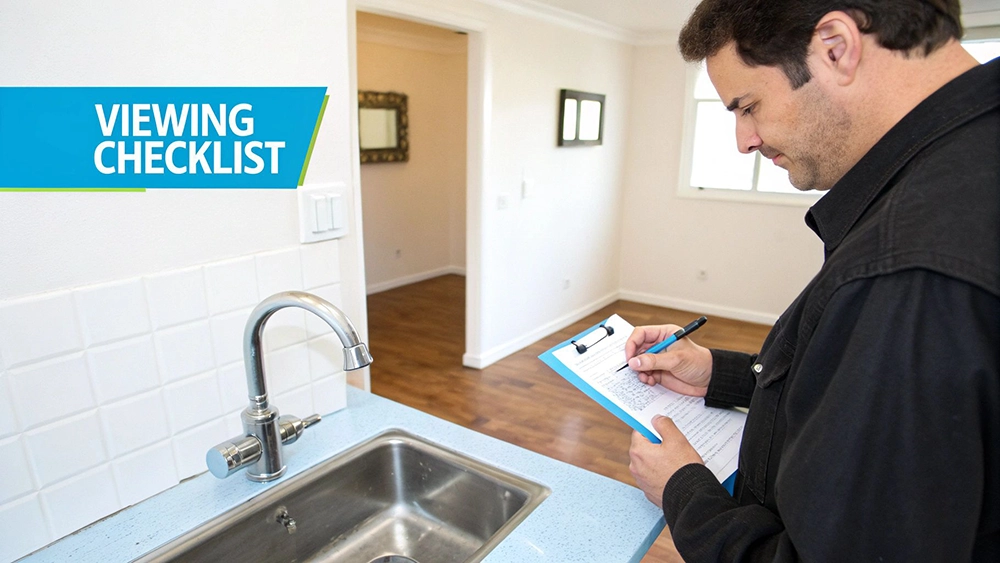
Once you've got a viewing booked, it’s time to switch from search mode to inspection mode. This isn't just about admiring the decor; it’s a fact-finding mission to make sure the property is sound and the living situation will actually work for you. Go in with a mental checklist.
Don’t be shy—physically check the important stuff. Run the taps to check the water pressure, flush the loo, and open a few windows to see if they stick. Keep an eye out for any tell-tale signs of damp, like a musty smell or peeling paint, especially in corners and behind big pieces of furniture.
Take a good look at the general cleanliness of shared spaces like the kitchen and bathroom. This gives you a massive clue about the living habits of the current housemates and whether their standards are likely to align with your own.
The most crucial part of viewing a flatshare is meeting the people you might live with. You can love a room, but if you don't click with your housemates, it will never feel like home.
Ask them about the house vibe. Is it a social place where everyone hangs out, or do people tend to keep to themselves? Find out how they handle the cleaning rota and splitting bills. Honestly, this chat is just as important as checking the boiler. Trust your gut—if the atmosphere feels off, it probably is.
Being prepared with a solid strategy from the get-go helps you find great options faster. You can begin your search for rooms in East London with these tips front of mind.
Understanding Tenancy Agreements and Your Rights
You’ve found the perfect room in East London and nailed the viewing—congratulations. Now for the paperwork. This is the part where being clued-up is your biggest advantage. Your tenancy agreement isn't just a formality; it's a legally binding contract that spells out your rights and responsibilities. It’s absolutely vital you know exactly what you’re signing.
The vast majority of private tenancies in the UK are what’s known as Assured Shorthold Tenancies (ASTs). If you're renting a whole property or a room in a shared house where the landlord doesn't live, this is almost certainly the contract you'll be given. An AST gives you some pretty significant legal protections.
But, if you're moving into a room in your landlord's own home and sharing spaces like the kitchen or bathroom, you’re likely to be a lodger, sometimes called an 'excluded occupier'. This setup is less formal, and while you definitely still have rights, they aren't as extensive as those under an AST. For instance, a live-in landlord isn't legally required to put your deposit in a government-backed scheme, though it's always best practice if they do.
Decoding Key Clauses in Your Agreement
Every tenancy agreement has its own quirks, but there are a few crucial clauses you should always hunt for and get your head around before putting pen to paper. Never let anyone rush you into signing; take your time and read it through properly.
- Break Clause: This one is a game-changer for flexibility. A break clause lets either you or the landlord end the tenancy early (say, six months into a 12-month contract) by giving the agreed-upon notice.
- Landlord's Access: The contract must state how much notice your landlord has to give before popping in for inspections or repairs. For an AST, the standard is at least 24 hours' written notice, and visits have to be at reasonable times of the day.
- Overnight Guests: This is a big one in shared houses. Many agreements have rules about having guests stay over. Check for any restrictions on how often you can have friends or partners to stay to avoid any awkward conversations with your landlord or housemates later on.
Don’t just skim it. Pay close attention to your responsibilities for small maintenance jobs (like changing lightbulbs) and any rules on decorating. Getting these little details straight from the start is the best way to prevent disagreements down the line.
Essential Documents Your Landlord Must Provide
Under UK law, your landlord has a legal duty to hand over several key documents when you move in. This isn’t just good manners—it’s a requirement designed to keep you safe and your money protected. If a landlord seems reluctant to provide these, treat it as a massive red flag.
You must be given:
- A valid Gas Safety Certificate: This proves that a Gas Safe registered engineer has checked all gas appliances, pipes, and flues in the property within the last 12 months.
- An Energy Performance Certificate (EPC): This rates the property’s energy efficiency from A (most efficient) to G (least efficient). It's illegal to let a property with a rating below E.
- Proof of Deposit Protection: For an AST, your landlord has 30 days to protect your deposit in one of three government-approved schemes. They must then give you the official paperwork confirming where your money is being held.
These aren't just bureaucratic hoops to jump through; they reflect the professional standards you should expect in a premium rental market. In Q2 2025, the average monthly rent in Greater London hit £1,959.78, marking a strong 7.3% annual growth. This market heat is especially noticeable in East London hotspots like Tower Hamlets, where an astonishing 74% of properties are rentals.
For landlords, this intense demand means properties don’t stay empty for long—the national average void period was just 21 days in late 2024, a trend turbo-charged by transport upgrades like the Elizabeth line. You can find more details on the latest UK rent data on Lendlord.io.
By understanding your tenancy agreement and making sure you get all the required documents, you can move into your new East London home with total peace of mind, knowing you’re fully protected.
Your East London Renting Questions, Answered
Once you’ve nailed down your budget and shortlisted a few neighbourhoods, the really specific questions start popping up. It’s one thing to know you want to live in Hackney, but it’s another to understand just how fast you need to move or what your legal rights actually are.
This is your quick-fire guide to the practical, real-world issues that almost everyone bumps into when they start their room hunt in earnest. Let’s get you prepared.
How Quickly Do Rooms Actually Get Rented in East London?
Put simply: incredibly fast. In hotspots like Shoreditch, Stratford, and Walthamstow, it is no exaggeration to say that a great room at a fair price can be gone within hours of the advert going live.
Your biggest advantage here is being prepared. Have your deposit and references ready to go before you even start booking viewings. You’ll also need to be ready to drop everything for a viewing at short notice. Waiting even a day can mean you miss out.
The real competition isn't other people; it's the speed of the market. A landlord with several good offers will almost always pick the tenant who is organised and ready to sign on the spot. Hesitation is the enemy of a successful room search.
This is where platforms with instant alerts become your secret weapon. Getting a notification the second a room matching your criteria is listed gives you a crucial head start, letting you be one of the first to make contact.
What Are My Legal Rights with a Tenancy Deposit?
Your deposit is your money, and UK law has strong protections to make sure it stays that way. For the vast majority of rental agreements, which will be an Assured Shorthold Tenancy (AST), your landlord is legally required to protect your deposit in a government-approved scheme within 30 days of you paying it.
There are only three approved schemes:
Your landlord must also give you official documentation proving where the money is held. This paperwork is vital. It safeguards your cash and ensures that if the landlord wants to make deductions for damages later, they have to be fair and justifiable. If you disagree, the scheme provides a free dispute resolution service.
A quick note: if you’re a lodger renting a room in a live-in landlord’s home, they aren’t legally required to use a scheme, though many good landlords do. Whatever your situation, always get a written receipt for any money you hand over.
Is It Better to Rent from a Landlord or an Agency?
There are pros and cons to both, and the right answer often comes down to your personal preference.
Letting agents usually manage a wide portfolio of properties and the whole process can feel very professional and structured. The downside is that they can be less flexible on the terms of the tenancy, and the admin can sometimes feel a bit slow and impersonal.
Renting directly from a private landlord often means a more personal touch and a direct line of communication. This is especially common for single rooms in shared houses. When a pipe leaks, you’re talking directly to the decision-maker, which can make getting things sorted much quicker. You might also find lower upfront fees.
Whichever route you take, the fundamentals don’t change. The most important thing is that you get a proper tenancy agreement and that the landlord is meeting all their legal duties, like providing safety certificates and, of course, protecting your deposit.
What Is a Right to Rent Check?
A 'Right to Rent' check is a legal requirement for every landlord in England. Before your tenancy begins, they have to verify that every adult planning to live in the property has the legal right to rent in the UK. This check is for everyone, regardless of nationality.
You’ll need to show them original documents that prove your identity and immigration status.
- For British or Irish citizens: A passport is usually all you need.
- For other nationals: This could be a passport along with a valid visa, a biometric residence permit, or a Home Office share code which lets the landlord check your status securely online.
This is a standard part of the rental process, so make sure you have your documents handy to prevent any delays in securing your new room.
Finding the perfect room is about more than a great location; it's about connecting with the right landlord and flatmates. At Rooms For Let, we put you in direct contact with landlords and homeowners across East London and the rest of the UK, making your search simpler and more transparent.
Start your search today on Rooms For Let and set up instant alerts to hear about new rooms in your ideal area first.