You’ve probably got one of two problems right now. There’s a spare bedroom in your Cheltenham home doing nothing except holding boxes, an old desk and laundry that never quite gets put away. Or you’re moving into town for work, study or a contract role and you need somewhere practical, well located and not a headache to secure.
That’s exactly where the spare rooms cheltenham market becomes useful. It sits between full flat rentals and short hotel stays, and when it’s handled properly it works well for both sides. Landlords and live-in owners can turn wasted space into steady income. Tenants can move faster, keep costs under control and often land in better locations than they could afford alone.
Cheltenham suits shared living because it has a mix of professionals, hospital staff, contractors, students and people relocating for a fresh start. The trick isn’t just finding a room or listing one. The trick is matching price, area, house dynamic and expectations from the outset. That’s where one either saves oneself weeks of frustration or creates it.
Tapping into the Cheltenham Spare Room Market
Cheltenham has a stronger spare room market than many owners realise. According to census data analysed for Cheltenham, 35.1% of homes in Cheltenham had two or more spare bedrooms, which tells you there’s a meaningful supply of underused space in the town. At the same time, private renting has grown locally, so there’s a steady stream of people who want flexibility without taking on a full property.
That combination matters. It means spare rooms cheltenham isn’t a side market. It’s a practical part of how people live in town. Empty nesters, live-in landlords, HMO operators, young professionals and people between moves all use it for different reasons, but they meet in the same local ecosystem.
If you’re a homeowner, the first decision isn’t “should I advertise?” It’s “what type of arrangement am I offering?” A quiet furnished room in your own house is very different from a room in a busy shared property. If you’re letting while living in the property, it’s worth reading The Rent a Room Scheme so you understand the tax side before you set a price or write an advert.
For tenants, timing and clarity usually beat endless browsing. If you already know your budget, move date and preferred part of town, you’ll get further by looking at active local demand such as people currently seeking rooms in Cheltenham than by saving dozens of unsuitable listings.
Good room lets don’t happen because the room exists. They happen because the offer is clear, the location suits the renter, and both sides move quickly when the fit is right.
A Neighbourhood Guide to Renting in Cheltenham
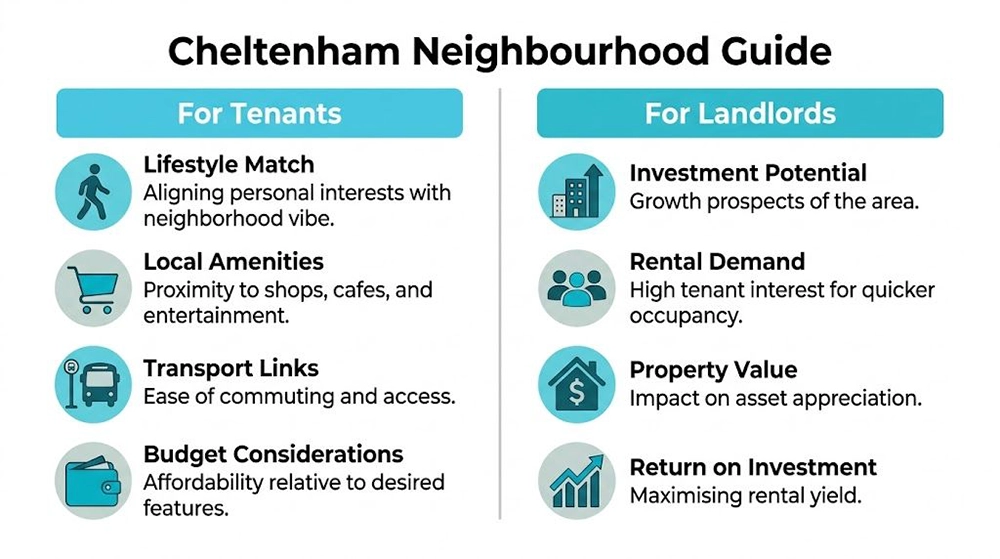
A tenant taking a room near the Promenade can cut the commute and enjoy the town centre, then find the trade-off a week later when parking is tight and weekend noise carries further than expected. A landlord with a quieter room in Pittville might worry it looks less exciting on paper, then let it faster because the advert matches what the right renter wants.
That is how Cheltenham works. Area choice affects far more than postcode. It shapes enquiry quality, household fit, routine, and how often either side runs into avoidable friction after move-in.
Cheltenham neighbourhoods at a glance
| Neighbourhood | Average Room Rent (pcm) | Best For | Vibe |
|---|---|---|---|
| Montpellier | Higher end | Young professionals, tenants who want walkability | Smart, social, polished |
| Leckhampton | Mid to higher end | Professionals, long-term sharers, drivers | Residential, popular, balanced |
| Pittville | Mid range to higher end | Tenants wanting green space and quieter streets | Calm, spacious, established |
| Town Centre | Broad range | People who want convenience first | Busy, practical, central |
| Brewery Quarter area | Broad range | Renters who like nightlife and easy access to amenities | Lively, modern, active |
| St Paul’s and surrounding streets | More budget-sensitive options often appear | Students, graduates, flexible sharers | Functional, mixed, fast-moving |
Use those ranges as a starting point, not a promise. In Cheltenham, room value shifts quickly based on condition, included bills, parking, and whether the house feels settled or churns through occupants. Landlords who want to pitch a room properly should check current room advert pricing options and listing benchmarks before setting an asking figure. Tenants should compare the whole offer, not rent alone.
Montpellier and Leckhampton
These areas draw steady interest from professionals because daily life is easy there. Shops, cafés, pleasant streets and a more polished housing stock all help. For someone relocating from a larger city, these postcodes usually feel familiar from day one.
The mistake landlords make is assuming the postcode does the work. It does not. In Montpellier and Leckhampton, applicants expect the room, kitchen and bathroom to justify the higher ask. If the house feels tired, if storage is poor, or if the photos hide obvious weak points, the listing drops out of contention fast.
What usually works:
- A finished room: Proper bed, decent mattress, storage that is empty, and a desk where hybrid work is realistic.
- A clear household type: Quiet professional home, sociable share, or live-in landlord arrangement.
- Straight answers on parking and bills: These points decide viewings.
What usually weakens a listing:
- Overpricing on postcode alone: Good applicants still compare value carefully.
- Soft, vague wording: “Lovely room” says nothing useful.
- Ignoring presentation in common areas: In these neighbourhoods, tenants judge the whole property.
Pittville
Pittville appeals to renters who want a calmer base and a bit more breathing room. Green space matters here. So does the general feel of the street. This tends to suit professionals who want a stable setup, early sleepers, and tenants who like town access without living in the busiest pocket of it.
For landlords, that means the advert should sell the right strengths. Quiet roads, easier parking, sensible storage, and a settled household often matter more than trying to make the place sound lively. I see this mistake regularly. Owners undersell a genuinely comfortable room because they copy the tone used for a central flat.
If the property is peaceful, say so plainly. The right tenant will value that more than another generic line about being close to everything.
Town Centre and the Brewery Quarter area
These locations suit renters who put convenience first. They are useful for short-notice relocations, contract workers, and anyone who wants shops, transport and nightlife within easy reach. Demand is usually healthy, but it is less filtered.
That creates a clear landlord trade-off. You often get more messages, but more of them are poor fits. Applicants can focus on the pin on the map and miss details that will affect day-to-day living, such as shared bathroom arrangements, street noise, bin storage, or the absence of parking.
Good adverts in central Cheltenham deal with those points early:
- Noise levels: Say whether the room faces a busy road or sits surprisingly quiet at the back.
- Parking reality: Permit, private space, or none at all.
- Building style: Flat, terrace, period conversion, or newer block.
- Household rhythm: Early starters, shift workers, social sharers, or a quieter setup.
For tenants, this is the area where honesty with yourself saves time. If you need silence, easy parking and loads of storage, a central room may still work, but only if the listing answers those questions properly.
St Paul’s and surrounding streets
St Paul’s tends to offer more price-sensitive options, and it moves quickly when rooms are presented clearly. The area often attracts students, recent graduates and renters who need a practical base without stretching the budget too far.
That does not mean lower standards. It means different priorities. Tenants here usually want clear bill terms, workable furniture, decent broadband, and a simple move-in process. Landlords who keep the offer clean and realistic tend to let faster than those who pad the advert with fluff or hide obvious compromises.
A functional room can still be a strong room. It just needs to be honest.
How to choose the right area
Tenants should start with the weekday routine. A room that looks perfect on a map can become a poor choice if the bus route is awkward, the parking is unreliable, or the household style clashes with your work pattern.
Check these points first:
- Commute: Walkable, bus-friendly, or better for drivers.
- Evening routine: Quiet home, social home, or somewhere in between.
- Budget split: Higher rent for convenience, or lower rent with a longer trip.
- Stay length: Short-term flexibility or a place that can work for a year or more.
Landlords should do the same exercise from the other side. Match the room to the renter the area naturally attracts. A calm Pittville room should be marketed to someone who wants calm. A central room should be marketed with full disclosure about pace, noise and access. That is how both sides avoid wasted viewings and short-lived lets.
For Landlords Creating an Irresistible Room Listing
A spare room doesn’t stay empty because demand is weak. Most of the time it stays empty because the advert is lazy, the price is wishful, or the listing leaves too many questions unanswered.
In Cheltenham, that costs money. According to local short-term rental market data for Cheltenham, a typical short-term rental listing can generate an estimated £24,758 in annual revenue, which tells you there is a real financial incentive to market available space properly. Even if you’re offering a long-term room rather than short stays, the principle is the same. Poor presentation leaves income on the table.

Start with the room, not the advert
Owners often write the listing before they prepare the room. That’s backwards. Prospective lodgers and tenants can see straight away whether a room was set up for them or emptied in a hurry.
Do these jobs first:
- Remove personal clutter: Family photos, paperwork, old chargers, storage boxes.
- Make storage usable: Half an empty wardrobe is better than a full wardrobe “available on request”.
- Check lighting: Open curtains, replace dim bulbs, and use warm but clear light.
- Fix the obvious faults: Loose handles, marked walls, broken blinds, squeaky bed frames.
- Decide what stays: Desk, chest of drawers, bedside table. Don’t leave tenants guessing.
A clean room isn’t enough. It has to look easy to move into.
Take photos that answer questions
You don’t need a professional photographer for most room lets, but you do need discipline. Use your phone, shoot in daylight, and take photos horizontally unless the platform strongly prefers otherwise. Show the bedroom from the doorway and from the window side so people understand the layout.
Include:
- The bed wall and the storage wall
- The bathroom the person will use
- The kitchen
- Any desk or work-from-home space
- Parking area or exterior if that’s a selling point
Skip:
- Heavy filters
- Night-time photos
- Close-ups of cushions and lamps instead of the room itself
- Photos that hide flaws applicants will spot at the viewing anyway
A useful benchmark before you publish is to review the different advert options and visibility features available on room-let platforms, so you know how your listing will appear and what details need to do the heavy lifting.
Write the advert like a serious operator
The best room adverts do three things fast. They tell people what the room is, who it suits, and what kind of household they’re walking into.
Don’t write fluff. Write facts in plain English. Start with the strongest truth about the offer. That might be a quiet owner-occupied home in Leckhampton, a tidy professional share near the centre, or a large furnished room with easy parking.
Spacious furnished double room in a clean professional house share in Cheltenham. Best suited to a full-time working tenant who wants a calm home during the week. The room has a double bed, wardrobe, drawers and desk. Shared kitchen and bathroom are kept tidy, and bills are included. The house suits someone considerate, reliable and comfortable with a quiet house during work nights.
That style works because it filters as well as attracts.
What your listing must cover
- Rent structure: Say whether bills are included.
- Occupation type: Live-in landlord, house share, HMO, or self-contained arrangement.
- Availability: Ready now or from a specific date.
- Household profile: Professionals, mixed household, quieter setup, more social setup.
- Practical details: Parking, bike storage, garden access, work-from-home suitability.
- Non-negotiables: Smoking policy, pets, overnight guests, minimum stay if relevant.
Here’s a useful walkthrough on what strong listing presentation looks like in practice:
Price to let, not to test the market
Overpricing is one of the most common mistakes in spare rooms cheltenham. Owners often compare their room to the best room in the best house on the best street, then wonder why enquiries are thin.
Price against real comparables, but adjust for:
- whether the bathroom is shared
- whether you live in the property
- parking
- room size and natural light
- condition of kitchen and common areas
- how restrictive the house rules are
If your house has strict quiet hours, no living room access and limited kitchen use, it needs sharper pricing than a comparable room with full use of the property. Tenants will accept rules. They won’t pay premium money and accept lots of restrictions unless the room offers something else in return.
For Tenants Finding and Securing Your Ideal Room
It is 9:15 on a Tuesday morning. A good room near Pittville goes live, three suitable tenants enquire before lunch, and the person who gets the viewing slot is often the one who sounds prepared from the first message. In Cheltenham, that matters as much as budget.
Tenants often lose time by searching too broadly, then rushing at the wrong listings. A better approach is to judge rooms the way a careful landlord would judge applicants. Check the area, the house setup, the full monthly cost, and whether the advert gives you enough detail to trust what you are seeing. That tenant and landlord perspective matters in Cheltenham, where the difference between a solid room and a poor fit often comes down to the household, not just the bedroom.
Decide your firm requirements early
Start with the points that will shape daily life after move-in. Area, total budget, and house dynamic usually come first. You can buy a lamp or a better chair later. You cannot fix a draining commute or a household that does not suit how you live.
Be specific with yourself:
- Commute: Set a maximum travel time, not just a preferred postcode.
- Budget: Work from the full monthly figure, including bills, parking, and any council tax contribution if relevant.
- Household type: Decide whether you would suit a live-in owner, a professional share, or a larger HMO.
- Routine: Be honest about noise tolerance, work-from-home needs, and typical hours.
This cuts wasted viewings. It also helps landlords decide quickly whether you are likely to settle well.
Search with intent
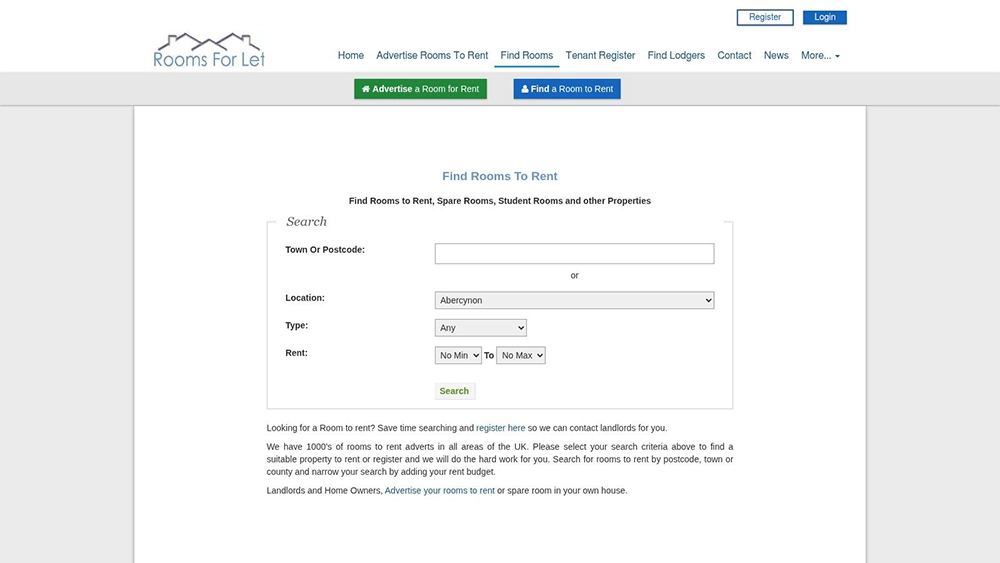
Use room search filters for Cheltenham listings in a way that reflects how you live, not how you hope the room might work. Broad filters create clutter. Filters that are too tight can hide decent options in nearby streets or a slightly different setup.
The best filters for Cheltenham tend to be:
- Area or travel radius
- Rent band
- Move-in date
- Furnished status
- Bills included or separate
- Live-in landlord or shared house preference
Then act quickly, but do not send the same message to every advert. Landlords can spot that immediately.
Write a message that gives the landlord confidence
A first message should answer the practical questions before they have to ask them. Owners want to know whether your timing works, whether your income and routine sound stable, and whether you have read the listing properly.
Include:
- Who you are: Job, contract type, or study situation in one clear line
- When you want to move
- How long you expect to stay
- Your day-to-day routine
- Why this room suits you specifically
For example:
I’m moving to Cheltenham for a full-time role and need a furnished room from next month. I work regular weekday hours, keep things tidy, and prefer a quieter household. Your location would suit my commute, and the desk setup looks useful as I work from home one day a week. If the room is still available, I’d like to arrange a viewing.
That works because it removes guesswork.
Read adverts like a letting professional
A plain advert can still be a good one if it is clear. A polished advert can still hide problems if the basics are missing. Tenants who avoid bad lets usually slow down here and check what is not being said.
Ask more questions if you see:
- No clear explanation of who lives there now
- Unclear bathroom arrangements
- No photos of kitchen, bathroom, or shared areas
- Rent shown without saying what bills are extra
- Rules that feel unusually restrictive
- A room price that looks out of line for the area and setup
There is a trade-off in every room. A cheaper live-in owner arrangement may come with tighter house rules. A more expensive professional share may give you better common space, fewer restrictions, and a smoother weekday routine. Compare the full offer, not just the headline rent.
If you want to stay for more than a few months, it is also sensible to pay attention to how the property is looked after. Poor maintenance usually shows up early in the advert, during the viewing, or in how questions are answered. Landlords who stay on top of repairs tend to run better house shares overall. This essential guide to property maintenance for landlords gives a useful picture of what good upkeep should look like from the owner’s side.
Be ready before the viewing invite lands
The edge comes from being organised. In Cheltenham, suitable applicants often miss out because they need two days to find references or confirm their move date.
Have these ready:
- Photo ID
- Proof of income or employment if requested
- A previous landlord reference, if you have one
- Your preferred move-in date
- A short list of questions about bills, cleaning, guests, parking, and agreement terms
Good tenants are not always the first to enquire. They are often the easiest to assess, the quickest to reply, and the clearest about what they want.
The Essential Legal and Safety Checklist
This is the part people skip when they’re in a rush. It’s also the part that causes the biggest problems later. A good room let doesn’t just depend on price and personality. It depends on knowing what legal arrangement you’re entering and what safety standards apply.
One of the clearest gaps in the market is that tenant concerns around verification, deposit protection and legal rights are often not addressed properly on major listing platforms, as noted in this review of room listings in Cheltenham and the missing tenant protection guidance. That means both landlords and tenants need to ask better questions themselves.
Landlord or live-in owner first checks
The first issue is status. If you live in the property and rent out a room in your own home, the occupier may be a lodger rather than a tenant. That changes how agreements, notice and house rules typically work. If you don’t live there and the occupier has more exclusive possession of the space, the legal position is different.
Don’t guess. Put the right paperwork in place from the start and make sure the arrangement matches the reality of how the property is occupied.
For owners and landlords, the practical checklist is straightforward:
- Written agreement: Keep it clear on rent, bills, notice, use of shared spaces and house rules.
- Safety certificates: Stay on top of gas and electrical responsibilities where they apply.
- Fire safety: Working alarms, safe escape routes and sensible furnishing choices matter.
- Right to Rent checks: Complete them properly where required.
- Deposit handling: If the arrangement requires deposit protection, deal with it correctly and on time.
- Property condition: Don’t treat maintenance as optional. Regular checks prevent disputes and bigger repair bills later. This essential guide to property maintenance for landlords is a useful practical reference because it focuses on what needs attention in lived-in properties.
Tenant checks before you agree
Tenants should stop treating paperwork as an afterthought. If a landlord wants you to move in quickly but can’t explain the agreement clearly, that’s not efficiency. It’s a warning sign.
Before paying anything, ask:
- What exactly am I signing?
- Is the deposit protected, if protection applies to this arrangement?
- Who else lives in the property?
- Who is responsible for bills and repairs?
- What notice is expected from each side?
- Are there house rules that should be written into the agreement?
If a landlord is vague before move-in, they usually won’t become clearer once they have your money.
HMO and shared house realities
Some shared properties fall under HMO rules depending on how they’re occupied and configured. That matters because HMO standards can affect licensing, safety requirements and management obligations. Landlords should check the local position carefully before advertising. Tenants should ask whether the property is managed as an HMO where relevant and whether that aligns with what they’re being told.
The practical point is simple. A professionally run shared house should feel organised. If the basics look improvised, they probably are.
The documents and details worth keeping
Both sides should keep records. Not mountains of paperwork. Just the things that settle disputes quickly if they come up.
Keep copies of:
- The signed agreement
- Any inventory or room condition notes
- Deposit receipt or protection details where applicable
- Key safety certificates or confirmation they’ve been provided
- Important messages about repairs, rent or move-in terms
That small amount of admin saves a lot of grief. It also sets the tone. The best room lets feel simple because the basics were handled properly, not because everyone hoped for the best.
Perfecting The Viewing and Vetting Process
A room advert starts the process. The viewing decides whether the let will work. It allows landlords to avoid a bad fit and tenants to avoid walking into a house that looked better online than it feels in person.
Too many people treat viewings like a formality. They aren’t. In a room let, personality, routine and household habits matter almost as much as the room itself.
What landlords should look for
A strong viewing isn’t an interrogation. It’s a structured conversation that helps you work out whether this person will pay on time, respect the house and settle in without friction.
Ask practical questions that reveal how they live:
- What brings you to Cheltenham and how long do you expect to stay?
- What does your working week look like?
- Have you lived in a shared house before?
- What matters most to you in a home environment?
- How do you usually handle cleaning and shared spaces?
- Will you be working from home regularly?
Watch how they respond. Evasive answers, constant vagueness about work or move dates, or obvious mismatch with the house rhythm should make you pause. So should applicants who focus only on getting a key quickly and ask nothing about the household.
Reference checks matter too, but they’re often done badly. Don’t just collect a name and tick a box. Confirm the relationship, ask simple factual questions and compare what you hear with what the applicant told you.
What tenants should inspect
Tenants often spend too much time deciding whether they like the bedroom and not enough time checking how the property runs. The room matters. The kitchen, bathroom, heating, noise and people matter more over time.
Inspect these without being shy:
- Shower pressure and bathroom condition
- Kitchen storage and fridge space
- Signs of damp, poor ventilation or neglected maintenance
- Door locks and general security
- How clean the shared areas really are
- Whether the room matches the advert photos
Then ask the questions that affect daily life:
- How are bills handled?
- What are the house rules on guests, cleaning and noise?
- Who cleans shared areas?
- What’s the usual routine in the house?
- Why is the current occupier leaving?
A good viewing should leave both sides with fewer assumptions, not just a better feeling.
Compatibility beats speed
It’s tempting to rush if there’s pressure on either side. A landlord wants the room filled. A tenant wants somewhere sorted. But a quick yes to the wrong person creates more work than a short delay for the right one.
The best lets usually happen when both sides are direct. Landlords describe the house clearly. Tenants describe their habits clearly. If someone needs a silent weekday home, they should say so. If the house has a sociable kitchen and regular visitors, that should be out in the open too.
That level of honesty filters people out, and that’s the point.
Your Next Steps to a Successful Cheltenham Let
The spare rooms cheltenham market works best when both sides stop treating room letting as casual. It may feel less formal than renting a whole flat, but the same principle applies. Clear expectations at the start produce better outcomes later.
For landlords, the winning formula is usually simple. Prepare the room properly. Show the whole property accurately. Price in line with what you are offering. Screen for compatibility, not just urgency. Good tenants notice the difference between a room that’s been thoughtfully set up and one that’s been thrown online because the owner wants quick cash.
For tenants, the edge comes from being organised. Decide what you need. Write messages that sound like a real person, not a copied template. Ask direct questions at the viewing. If the house dynamic feels wrong, trust that instinct early rather than hoping it will improve once you move in.
Final checklist for landlords
- Present the room well
- Use clear photos with no gimmicks
- Explain the household transparently
- Set out bills, rules and availability clearly
- Use proper agreements and complete safety checks
- Vet for reliability and fit
Final checklist for tenants
- Fix your budget and preferred area first
- Search narrowly enough to avoid wasted time
- Send thoughtful first messages
- Check the whole property, not just the bedroom
- Understand the agreement before paying
- Choose household fit over panic decisions
Cheltenham gives both landlords and tenants a lot to work with. There’s demand, there’s supply, and there’s enough variety across the town for different budgets and lifestyles. The people who do well in this market aren’t the lucky ones. They’re the ones who stay clear, realistic and prepared.
If you’re ready to fill a room or find one, Rooms For Let is a practical place to start. Landlords can advertise spare rooms and reach active renters, while tenants can search current listings and respond quickly when the right Cheltenham room appears.