To get your room rented quickly and attract the right kind of person, the most important work happens long before you even think about writing the advert. Rushing to post a listing for a room to rent without doing the prep work first is a classic mistake. It leads to fewer serious enquiries and often attracts the wrong crowd.
Getting these fundamentals right not only justifies your asking price but makes the whole process smoother from start to finish.
Laying the Groundwork Before You List
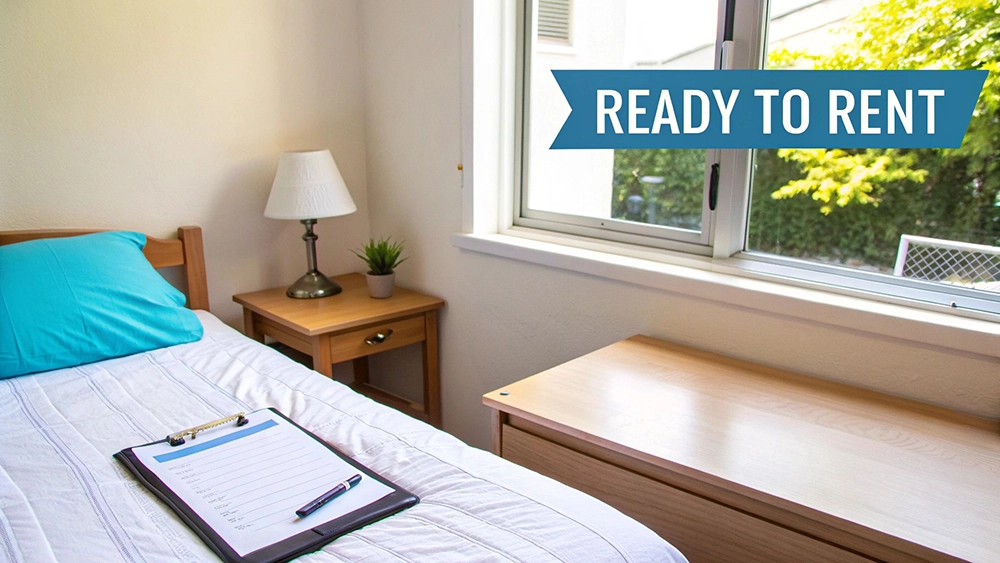
Before your room even hits the market, the crucial steps are all taken offline. Nailing these basics will help you find a great lodger and streamline the entire rental journey.
Nail Down Your Pricing Strategy
Setting the right rent is a delicate balancing act. Go too high, and your advert will be scrolled past without a second glance. Go too low, and you're leaving cash on the table every single month. The goal is to hit that market sweet spot.
The best way to do this? Become a researcher for an afternoon. Hop on platforms like SpareRoom or even browse Facebook Marketplace, and filter for rooms in your specific postcode. Pay really close attention to listings that are a good match for yours in terms of size, furnishings, and whether they have an en-suite.
Look at the details and consider these key variables:
- Location and Transport: Is your place a five-minute walk from a tube station, or is it a twenty-minute bus ride from the town centre? Proximity to good public transport is a massive selling point and can justify a higher price.
- Bills Included: In the UK, most room lets are advertised with bills included. It's just what people expect. You'll need to calculate your average monthly outgoings for council tax, gas, electricity, water, and broadband to make sure your price covers everything comfortably.
- Room Features: It stands to reason that a freshly decorated double room with a brand-new mattress and a dedicated desk will fetch a higher price than a tired-looking single room with dated furniture. Be honest about what you're offering.
Define Your Ideal Tenant Profile
So, who do you actually want living in your home? This isn't about discrimination; it's about finding a good fit and ensuring a harmonious household. Being crystal clear on the type of person who would blend in well helps you write an advert that speaks directly to them.
Are you hoping for a quiet professional who works a standard 9-to-5? Or would a sociable postgraduate student be a better match for the vibe in your home? Thinking this through allows you to tailor the language in your listing. For instance, if you're targeting a working professional, you might highlight the quiet nature of the house and its easy commute to major business hubs.
Once you’ve got a clear picture, you can easily register as a landlord on sites that cater to your target audience and get your advert in front of the right people.
Key Takeaway: Defining your ideal tenant isn't about excluding people. It's about creating a positive living environment by attracting individuals whose lifestyle and expectations align with your own and that of the existing household.
Stage the Room for Success
Last but not least, get the room itself ready. And I mean really ready—this goes way beyond a quick hoover. Your aim is to create a welcoming, neutral space where someone can immediately picture themselves living.
Declutter everything. Remove all your personal bits and bobs so it feels like a blank canvas. A fresh coat of neutral-coloured paint is one of the best investments you can make; it can make a small room feel instantly brighter and more spacious.
Finally, make sure the room is spotlessly clean. Pay special attention to the details that people notice, like windows, carpets, and skirting boards. A well-staged room doesn't just look infinitely better in photos—it makes a fantastic first impression during viewings and shows you're a landlord who cares.
Writing a Rental Advert That Stands out

Your rental listing is your single most powerful tool. It’s the very first impression a potential lodger gets, and in today's competitive market, it needs to do more than just list facts—it has to sell a lifestyle.
The first, easiest win? Ditch the generic "Room to Let" headline. Go for something descriptive that instantly paints a picture and speaks to the kind of person you want to attract. For example, "Bright Double Room in a Quiet Professional House Share" is miles more compelling than a title they'll forget in seconds.
In the fast-paced UK rental scene, a strong advert is non-negotiable. Properties in high-demand areas can pull in 15-20 serious enquiries within hours. Even as the market cools slightly, listings still average 12 enquiries each, which is double the pre-pandemic norm. This just goes to show why your advert needs to grab attention right from the off.
Crafting a Compelling Description
The body of your advert is where you move from listing a space to showcasing a home. It's all about blending the practical details with an engaging narrative that helps someone actually see themselves living there.
Start with the essentials, but don't bury them. Right at the top, lay out the key details people are scanning for:
- Monthly Rent: State the exact figure (e.g., £750 pcm).
- Deposit Amount: Be clear on the required security deposit.
- Bills Included: Be specific. Does the rent cover council tax, gas, electricity, water, and broadband? Or just some? This clarity is a huge plus.
- Availability Date: Provide the exact date the room is ready for move-in.
With the practicalities out of the way, you can build the story. Describe the room itself using appealing, positive language. Instead of just "good-sized room," try something like, "spacious double room flooded with natural light from a south-facing window." It feels completely different.
Detailing the Shared Experience
Renting a room is about so much more than the four walls of the bedroom; it’s about joining a household. Dedicate a section of your advert to the communal areas and the general vibe of the home.
Talk about the shared facilities, making sure to highlight anything appealing. Mention the "fully-equipped kitchen with a brand-new dishwasher" or the "cosy living room with a smart TV, perfect for relaxing after work." This helps paint a picture of what daily life is actually like.
Expert Tip: Be honest about the household dynamic. Describing the current housemates as 'a friendly mix of young professionals who enjoy socialising on weekends' or 'a quiet household where everyone keeps to themselves' is crucial. This transparency helps potential lodgers self-select, meaning you get enquiries from people who are genuinely a better fit.
Be Upfront About House Rules
Finally, don’t be afraid to be clear about your expectations. Laying out the house rules from the start is a powerful filter, saving you from wading through applications from people who just aren't a good match.
This is your chance to set the tone for a respectful, harmonious living arrangement. Clearly but politely state any non-negotiables. This often includes policies on:
- Smoking (inside or outside)
- Overnight guests
- Pets
- Cleaning rotas
Including these details ensures the enquiries you receive are from people who've read the advert properly and are on board with how the house runs. For more tips on creating effective rental listings, you might be interested in our other articles on the Rooms for Let blog. This upfront clarity streamlines the entire process, leading to a much quicker and more successful let.
Taking Photos That Get Your Listing Clicked
In a sea of online listings, your photos are the single most important thing that will make someone stop scrolling. You don't need to hire a professional or buy a fancy camera to advertise a room for rent; your smartphone is more than capable of capturing images that look bright, spacious, and inviting.
Before you even think about pointing your camera, the first job is to prepare the space. Declutter relentlessly. Get rid of any personal items, unnecessary furniture, or general bits and bobs that make the room feel smaller than it really is. A tidy, almost minimalist space looks far bigger and allows potential lodgers to actually visualise their own belongings there.
Next, throw open all the curtains and blinds. Natural daylight is your absolute best friend when it comes to photography. It makes rooms feel brighter, cleaner, and more welcoming. Try to take your photos mid-morning or late afternoon when the light is softer and won't create those harsh, dark shadows. And whatever you do, never use a flash. It just creates a sterile, unflattering glare.
Your Essential Shot List
To make sure you’re not missing anything crucial, it pays to work through a simple shot list. This ensures you’re giving a complete picture of the property, which builds trust and cuts down on the number of questions you'll have to answer later on.
- The Bedroom: Start with a wide shot from the doorway to show the whole room. Then, snap a few pictures from different corners to highlight key features like a built-in wardrobe, a desk area, or a particularly nice window.
- The Kitchen: This is a big one for most people. Get a wide shot that shows the general layout, then zoom in on any modern appliances or desirable features like a dishwasher or plenty of counter space.
- The Bathroom: Cleanliness is absolutely paramount here. A bright, wide-angle shot showing the shower, toilet, and sink is usually all you need. And please, make sure the toilet lid is down!
- Shared Living Areas: If you've got a living room or dining area, capture it in a way that shows its potential for relaxing or socialising. Help them picture themselves living there.
- Outdoor Space: Got a garden, balcony, or even a small patio? Make sure you include a photo. This is a huge selling point for many people, especially in built-up areas.
Quick Editing for a Professional Finish
Once you've taken your pictures, a few simple tweaks can make a massive difference. You don’t need complicated software; free mobile apps like Snapseed or even the built-in editor on your phone will do the job perfectly well.
Pro Tip: Just focus on two key adjustments: brightness and sharpness. Slightly increasing the brightness will make the space feel more airy and open, while a small boost in sharpness makes all the details look crisp and clear. Steer clear of slapping on heavy filters or effects that just make the photos look unnatural.
The goal here is to present an honest but flattering version of your space. By taking a little time to stage, light, and edit your photos, you dramatically increase the chances of your advert getting noticed, clicked, and ultimately, securing the right person for your room.
Choosing The Best Platforms To Advertise Your Room
Okay, you’ve written a brilliant description and your photos look fantastic. Now for the crucial part: making sure the right people actually see your advert.
Choosing where to list your room isn’t about being everywhere; it’s about being somewhere effective. It’s a game of matching your property to the platform where your ideal tenant is already looking. In the UK, the market is really dominated by a few key players, each with its own vibe and audience.
The Heavy Hitters: UK Rental Platforms
Let’s be honest, when you think of renting a room, one name probably springs to mind: SpareRoom. It’s the undisputed champion of shared living. Its entire world revolves around rooms, flatshares, and housemates, which means it pulls in a massive and highly specific audience. From students to young professionals and beyond, you’ll find them all on SpareRoom, making it pretty much an essential place to list.
Then you have the giants of the general property market, Rightmove and Zoopla. While they're famous for selling and letting whole properties, they do have sections for room rentals. The audience here often feels a bit different—perhaps people looking for more established, longer-term shares. Listing on these can tap into a slightly more mature market.
A few key places to consider:
- SpareRoom: Without a doubt, the go-to for room-only lets and finding housemates.
- Rightmove/Zoopla: The big property portals. Their room sections often attract professionals looking for stable, long-term homes.
- OpenRent: A favourite for hands-on landlords. It offers a really cost-effective way to get your advert onto the major portals like Rightmove and Zoopla, which you can’t do as a private individual.
- Social Media: Don’t dismiss Facebook Marketplace. It can be surprisingly good for local lets, but be prepared—it often requires a bit more legwork to vet applicants properly.
Your choice of platform directly influences the type of enquiries you receive. A targeted approach on one or two key sites is often more effective than a scattergun approach across many.
To help you decide, here’s a quick breakdown of the main players.
UK Rental Listing Platform Comparison
Picking the right platform can feel like a big decision, but it's really about knowing who you want to attract. This table breaks down the most popular options to help you pinpoint the best fit for your room.
| Platform | Best For | Key Features | Typical Cost |
|---|---|---|---|
| SpareRoom | All types of flatshares, from students to professionals. The largest audience specifically looking for rooms. | Detailed profiles, "buddy up" feature for finding flatmates, large user base, paid options for visibility. | Free basic listing; paid options from around £12 per week. |
| Rightmove | Reaching a broad market, often professionals looking for long-term shares. | UK's largest property audience, strong brand recognition, professional feel. | Cannot list directly. Must use an online agent like OpenRent (from £29). |
| Zoopla | Similar to Rightmove, attracting a wide range of potential tenants. | In-depth property data and local area info, strong search filters. | Cannot list directly. Included with services like OpenRent. |
| Facebook Marketplace | Quick, local lets and reaching a community-based audience. | Free to list, highly localised, direct messaging with potential tenants. | Completely free, but requires more manual vetting. |
Ultimately, starting with a free listing on a specialist site like SpareRoom is a solid strategy. You can always expand your reach from there if you need to.
Free vs. Paid Advertising: Is It Worth It?
Most platforms will let you post a basic advert for free, which is a brilliant way to test the waters. But in a busy or competitive area, paying for a ‘premium’ or ‘featured’ advert can be a very shrewd move.
These paid listings get bumped to the top of search results for a set period, which massively increases how many people see them.
Think about it this way: what’s the cost of one week’s lost rent? More often than not, the price of a featured advert is significantly less. If paying that fee helps you fill the room just one week faster, it has already paid for itself. It’s simple maths. You can explore the various advertisement price packages available to see what might work for you.
And if you are leaning towards social media, it's worth learning a few tricks. Diving into some powerful social media advertising strategies can give you a real edge in reaching your target audience without spending a fortune.
The infographic below is a great reminder of what makes any listing work, whether it’s free or paid.
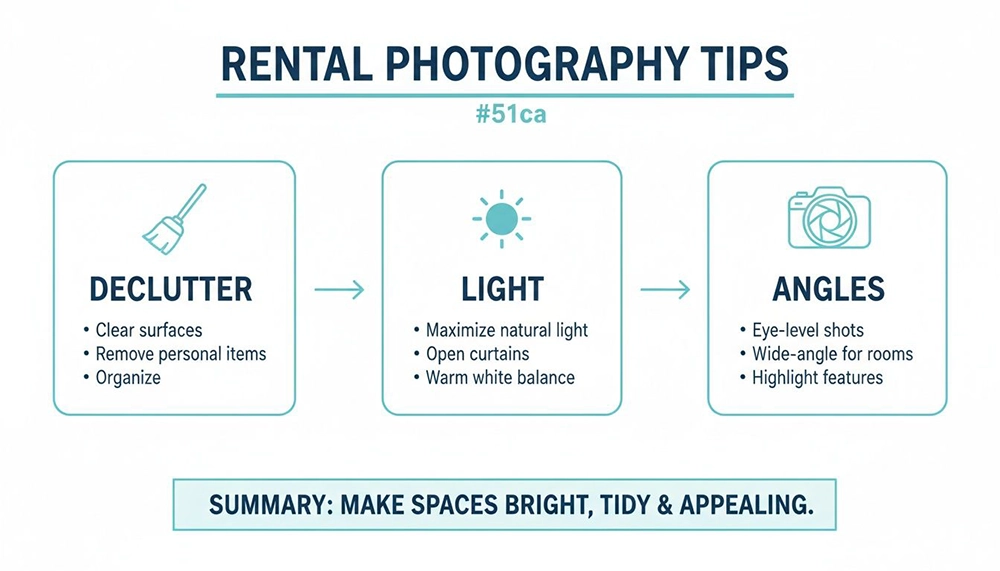
It really boils down to the fundamentals. Declutter to create a sense of space, let in as much natural light as possible, and find those flattering angles. At the end of the day, paying for a premium listing with poor photos is just a wasted opportunity. Great photos, on the other hand, can make even a free advert shine.
Managing Enquiries And Hosting Successful Viewings
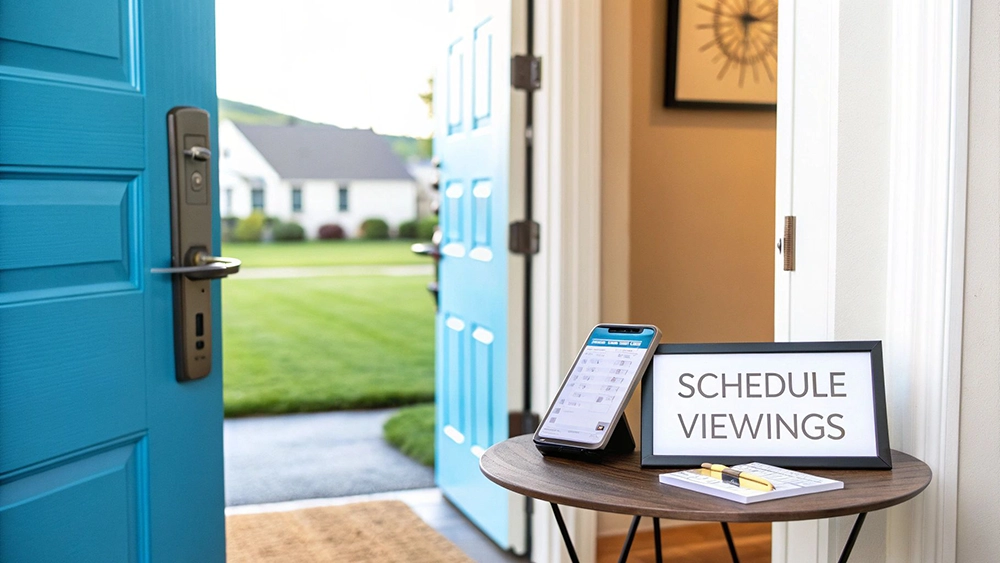
Once your advert is live, the enquiries should start rolling in. This is where a bit of organisation goes a very long way, helping you manage the responses without feeling swamped and letting you spot the most promising candidates from the get-go. A little prep here can save you hours of wasted time down the line.
Having a simple, templated response ready is an absolute game-changer. It means you can reply quickly and professionally while also gathering the key information you need to pre-screen applicants before you even think about scheduling a viewing.
Streamlining Your Response System
Your first reply should be friendly, thanking them for their interest, but it also needs to ask a few targeted questions. This simple filter helps weed out people who clearly aren't a good fit before you commit your time to a viewing.
Consider including questions like these in your template:
- What do you do for work and what's your typical schedule like?
- When are you looking to move in?
- How long are you hoping to stay?
- What are you looking for in a house share?
This approach respects everyone's time. You’ll quickly build a shortlist of people who seem to align with the household dynamic you’ve described in your advert. For those who make the cut, applying effective tenant screening methods is the next critical step to choosing the perfect person for your room.
Pro Tip: Try to schedule your viewings in blocks instead of spreading them out. Hosting an "open house" style afternoon over a couple of hours is far more efficient than arranging individual appointments scattered across the week. It also creates a subtle, natural sense of demand among the applicants.
Hosting Viewings That Seal The Deal
The viewing is your chance to show off the home and, just as importantly, to see if the person is someone you can imagine living with. Think of it as a two-way interview. Your main goal is to create a relaxed, welcoming atmosphere where you can have a proper conversation.
Start with a tour of the room itself, then move on to the shared spaces like the kitchen, bathroom, and living room. Be ready for the usual questions about bills, council tax, and local transport links. Honesty is always the best policy here.
As you walk and talk, ask some open-ended questions to get a feel for their personality and lifestyle. Something like, "What do you usually get up to on weekends?" can reveal a lot about whether they’ll be a good match for the existing housemates.
Ultimately, the best viewings feel less like a formal inspection and more like a friendly chat. This helps the applicant relax enough to be themselves, which gives you a much better insight into the kind of person they are. Trust your gut instinct—it’s often your most reliable guide when choosing someone to share your home with.
Answering Your Top Rental Questions
Even with a killer advert and stunning photos, a few questions will probably pop up as you get ready to list your room. Let's tackle some of the most common ones with some straightforward, practical advice to get you over the finish line with confidence.
How Do I Determine The Right Rent To Charge?
When it comes to pricing, a bit of research is your best friend. The first thing I always do is head over to platforms like SpareRoom or Rightmove and filter for rooms in my exact postcode. This gives you a live, real-world view of what people are actually willing to pay in your immediate area.
But don’t just stop at the headline price. You need to dig a little deeper to see how your room stacks up. When you're comparing, think about:
- Room Size and Features: Is it a cosy single or a spacious double? Does it have that all-important en-suite?
- Furnishings: What's the quality of the furniture like? Is it basic flat-pack or something a bit more solid?
- Bills Included: Be crystal clear on what's covered. Council tax, utilities, and broadband are pretty much standard these days.
- Location: Never underestimate the value of being a short walk from a tube station or local shops. Proximity adds a serious premium.
Once you have this intel, you can position your room competitively. If you want to generate a flood of interest quickly, price it just a fraction below similar listings. Or, if you’re offering something genuinely better—like a recently renovated bathroom or a garden—don't be afraid to price it slightly above the average.
What Are The Most Important Things To Include In An Advert?
A brilliant advert does one thing perfectly: it anticipates a potential tenant’s questions and answers them before they even have to ask. Honesty and clarity are your secret weapons for attracting serious applicants and cutting down on the endless back-and-forth messages.
Your description absolutely must include:
- The exact monthly rent and the deposit amount. No surprises.
- A clear list of which bills are included in that rent.
- The specific date the room will be available to move into.
- A proper description of the room, the property, and the general vibe of the household.
- Details on local amenities and, crucially, transport links.
- Your non-negotiables, right from the start (e.g., 'non-smokers only' or 'looking for a professional').
Being thorough here saves everyone a massive amount of time and acts as a brilliant first filter.
A Quick Tip From Experience: The real goal of your advert isn't just to get enquiries; it's to get the right enquiries. Being completely transparent about the practical details and household expectations is the quickest way to find a great fit.
What Legal Checks Must I Carry Out?
Right, this is the serious bit. Before anyone moves in, UK law mandates several crucial checks and documents. Getting this wrong can lead to some hefty penalties, so it’s vital to get it right.
First up, you are legally obligated to conduct a ‘Right to Rent’ check on every prospective tenant over the age of 18. This means you have to physically see and verify their identity documents to confirm they have the legal right to rent here in the UK.
On top of that, you must provide the tenant with their own copies of:
- A valid Gas Safety Certificate.
- An Energy Performance Certificate (EPC).
- The government's official ‘How to Rent’ guide.
And finally, the deposit. You must protect it in a government-approved tenancy deposit scheme within 30 days of receiving the money, and then give the tenant all the official details. These aren’t just suggestions; they are your legal responsibilities as a landlord.
Finding the right person for your spare room all starts with getting your advert in front of thousands of people actively looking for a place. At Rooms For Let, we've been connecting landlords with great tenants since 2000. Post your advert for free and see the enquiries start rolling in.