Finding a spare room for rent used to be a fairly straightforward process, but let's be honest, the market has changed. It’s become a seriously competitive sport.
To come out on top, you need to go in with your eyes open. That means getting a real handle on the current landscape—knowing what you should expect to pay, where the hotspots are, and what the competition looks like before you even start scrolling. Think of it as your pre-search homework; it's the first step to bagging a great room without all the usual stress.
How the UK Rental Market Actually Works Today
Stepping into the UK's rental market right now feels a world away from what it was just a few years back. It's faster, fiercer, and undeniably more expensive. To find a quality spare room for rent, you’ve got to start with a realistic picture of what you’re up against.
Gone are the days of casually browsing listings. Today, you need a proper strategy.
The biggest shift? The sheer jump in rental costs. It’s a classic case of soaring demand meeting a serious shortage of available rooms. And this isn't just a London problem anymore; cities right across the UK are feeling the squeeze.
Understanding the Numbers Game
Let’s talk numbers, because they paint a very clear picture. The average monthly rent for a room in the UK shot up from roughly £456 in the third quarter of 2017 to a projected £755 by 2025. That's a massive 65% increase in just eight years.
London, as you’d expect, is on another level. Average rents there have climbed from £728 in Q3 2020 to a predicted £995 by Q3 2025. For a deeper dive, SpareRoom's Rental Index is a great resource, analysing data from hundreds of thousands of room ads.
Here's a quick look at how those figures stack up.
Average UK Monthly Room Rent at a Glance
This table breaks down the sharp increase in average room rents, showing just how much the market has shifted in a relatively short period.
| Region | Average Rent Q3 2017 | Average Rent Q3 2025 (Projected) | Approximate Increase |
|---|---|---|---|
| UK (excluding London) | £456 | £755 | 65% |
| London | £728 (Q3 2020) | £995 | 37% |
As you can see, budgeting for a spare room today requires a much bigger financial commitment than it did just a few years ago, especially in the capital.

What This Means for Your Search
This isn't to put you off—it's to get you ready. In this market, you have to be prepared, professional, and persistent.
Landlords and potential housemates are often swamped with dozens of enquiries for a single room, so that first impression really counts. Your search isn’t just about finding a room anymore; it’s about selling yourself as the perfect tenant or lodger.
The key takeaway is simple: knowledge is power. When you understand the market's dynamics—from average costs to local demand—you stop being a passive searcher and become a savvy renter who can spot a good deal and act fast.
To navigate this landscape, you'll need more than just a search engine. For more practical advice and renting tips, check out the guides on the Rooms for Let blog. Getting this context right is the foundation for a search strategy that doesn't just find you any room, but the right room.
Building a Search Strategy That Gets Results
Finding the right spare room for rent isn’t about luck; it’s about having a smart, organised plan. A great search strategy saves you from endless scrolling and puts you right in front of the best opportunities first. This means getting crystal clear on your non-negotiables before you even open a new tab.
Your first move is to nail down a realistic budget. And this isn't just about the maximum rent you can afford. You need to account for all the associated costs of living to get a true, honest picture of your monthly outgoings.

Defining Your Budget and Location
Think well beyond the advertised rent. Your actual monthly cost includes several other factors that can quickly stack up. A room advertised at £600 might actually cost you closer to £800 once everything is factored in.
Start by jotting down these potential expenses:
- Council Tax: Check the band for your target areas and, crucially, whether it's included in the rent.
- Utilities: Gas, electricity, and water can fluctuate, so always ask for an average monthly cost.
- Transport: Calculate your daily commute cost from potential postcodes. Don't guess this.
- Other Bills: Remember to budget for broadband, a TV licence, and contents insurance.
Once you have a solid budget, you can zero in on locations. It's a classic trade-off: weigh your commute time against your lifestyle. A cheaper room further out might seem appealing, but if you spend an extra £100 a month on travel and lose an hour every day, is it really a win? Use online map tools to check public transport routes and times from specific neighbourhoods to your workplace or uni.
As part of your strategy, it's also worth exploring different rental types. A guide to short-term rentals, for example, can offer flexibility if your circumstances aren't long-term.
Crafting a Winning Renter Profile
In today's competitive market, landlords and live-in housemates are often swamped with messages. Your online profile is your first impression, and it absolutely needs to stand out. Think of it as a friendly CV for your living habits.
A blank or generic profile is a huge red flag. It suggests you aren't serious, or worse, that you have something to hide. A well-crafted profile, on the other hand, shows you’re organised, considerate, and the exact type of person someone would want to share their home with.
A great profile doesn't just list facts; it tells a story about who you are as a housemate. It’s your chance to build trust and show your personality before you even meet.
Make your profile shine by including these essentials:
- A Clear, Friendly Photo: A simple, well-lit headshot makes you seem approachable and real.
- A Personal Bio: Briefly mention your job or studies, your general routine (e.g., "I work 9-5 and enjoy quiet evenings during the week"), and a couple of your hobbies.
- What You're Looking For: Be specific about the household vibe you'd prefer, whether that's social and chatty or quiet and independent.
It’s also interesting to see how the rental market is changing. Demographic shifts show a huge increase in older people seeking rooms. For instance, searches by over-65s shot up elevenfold in ten years, proving that a diverse range of people are looking for a spare room for rent.
With a solid budget, a few target locations, and a standout profile, you’re ready to begin your search for rooms for let with real confidence.
How to Master the Room Viewing
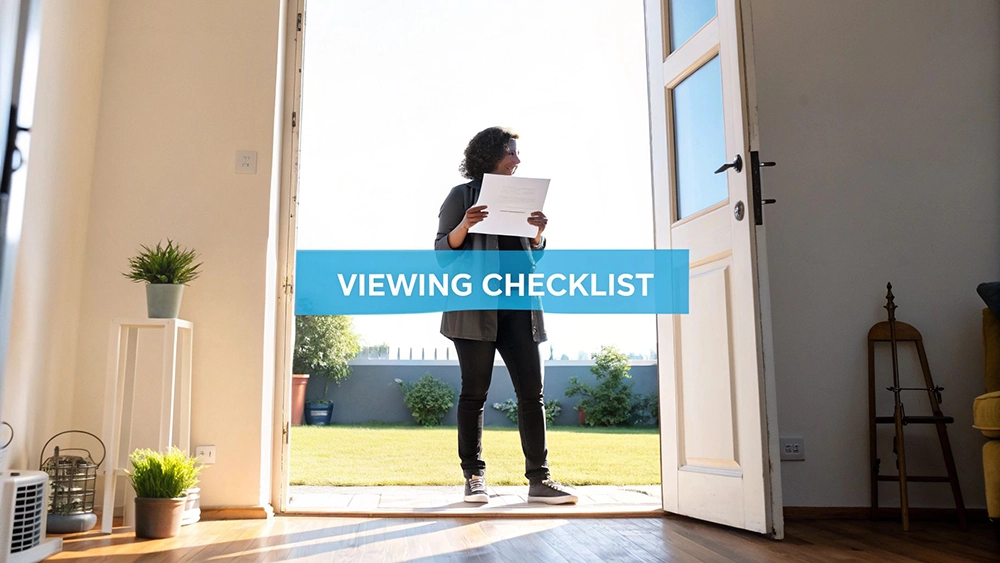
So, the photos looked great and the messages were friendly. Now for the moment of truth: the viewing. This is where theory hits reality. It’s about more than just checking for damp or seeing if your desk will fit; this is your single best opportunity to figure out if you could actually live there.
Think of it less as an inspection and more as a two-way interview. You're sussing them out, and they're sussing you out. Arriving with a mental checklist is what separates a great decision from a year of low-key misery. Your mission is to spot the green flags that signal a happy home and the red flags that tell you to run for the hills.
Beyond the Four Walls of Your Room
When you’re being shown the spare room for rent, it's so easy to get tunnel vision and focus only on that one space. But remember, you’re not just renting a bedroom; you’re renting a slice of a home. Pay serious attention to the shared areas, because their condition speaks volumes about the people you might be living with.
Keep an eye out for these clues in the communal spaces:
- Kitchen State: Is the sink overflowing with last night's takeaway containers? Are the worktops sticky? A permanently messy kitchen is probably the number one cause of housemate friction.
- Bathroom Condition: Have a quick peek for mould, especially around the shower and windows. Does it feel like it gets a regular clean, or is it a bit neglected?
- Living Area Vibe: Does it look like a comfortable, lived-in space, or is it a sterile show-room that nobody seems to use? This is a great hint about how social (or not) the household is.
These little visual cues tell a story. A well-kept, reasonably tidy shared space points to mutual respect among the current occupants—a massive green flag for any newcomer.
Remember, you’re evaluating the whole living environment. The state of the kitchen on a random Tuesday evening is a far better snapshot of daily life than a perfectly tidy bedroom.
Asking the Right Questions
Once you’ve had a good look around the property, it’s time to get a feel for the people. This is all about gauging compatibility, and asking direct but friendly questions is the best way to do it. The key is to keep it conversational, not like an interrogation.
Try phrasing your questions to invite a proper chat, not just a yes/no answer:
- "What’s the general weekly routine like here?" This is a brilliant, subtle way to find out about work schedules, noise levels, and whether it’s a party house or a quiet retreat after 5 pm.
- "How do you all usually handle the cleaning?" You're looking for a clear system. It could be a formal rota or a relaxed “clean as you go” approach, but a vague, non-committal answer can be a red flag.
- "What’s the policy on having guests over?" It’s essential to understand the expectations around partners staying the night or having a few friends over for dinner to avoid any awkwardness down the line.
- "Is there anything I should know about the bills?" If they aren't included in the rent, ask for a rough estimate of the average monthly cost per person. This helps you budget properly and avoid any nasty surprises.
These questions aren't just for your benefit. They also show the landlord or housemates that you’re a considerate and thoughtful person who cares about fitting in. That proactive approach can make you a much more memorable and appealing candidate when they're deciding who gets that spare room for rent.
What It Really Means to Be a Lodger
When you find a spare room for rent in a property where the owner also lives, your legal standing changes. You’re not a typical tenant in the eyes of the law; you are what’s known as a lodger, or more formally, an excluded occupier.
Grasping this distinction is critical because it shapes your rights and your landlord’s responsibilities. It’s not just legal jargon—it directly impacts your day-to-day life, from how much notice you need to be given to how your deposit is handled.
Lodger Agreement vs Tenancy Agreement
In the UK, the most common rental contract is the Assured Shorthold Tenancy (AST). As a lodger, however, you'll have a different setup, often called a Licence to Occupy or a Lodger Agreement. They are not the same thing, and the differences are huge.
Here are the key distinctions you absolutely need to know:
- Notice Periods: A landlord only has to give a lodger 'reasonable notice' to leave. This can be as short as your rental period, so if you pay monthly, it could be just one month. This is a world away from the formal, lengthy eviction process required for an AST.
- Landlord Access: A live-in landlord has the right to enter your room without the standard 24 hours' notice. Most will agree to respect your privacy out of courtesy, but legally, they don’t need your permission.
- Rent Increases: There are no hard and fast rules preventing your landlord from increasing the rent. It must be done fairly and usually with reasonable notice, as spelled out in your agreement, but there's more flexibility than with an AST.
With an estimated 26 million spare rooms across the UK, the potential for lodger arrangements is massive. In fact, research suggests that if just 1% of these rooms were rented out, the added supply could dramatically lower average rents, possibly even rolling them back to 2017 levels. You can read more about how lodgers could impact the rental market on Property118.
What About Your Deposit?
This is a point many lodgers miss, and it’s a crucial one. Under a standard tenancy (AST), a landlord is legally required to protect your deposit in a government-approved scheme.
For lodgers, this is not a legal requirement. Your landlord does not have to use a deposit protection scheme.
This puts the responsibility squarely on you to be diligent. It is absolutely essential that you get a written receipt for your deposit, clearly stating the amount paid, the date, and what it covers. Without this paper trail, you have very little recourse if a dispute arises when you move out.
Before you hand over any money, make sure you:
- Get It in Writing: Insist that your lodger agreement clearly outlines the specific conditions for any deductions from your deposit.
- Create an Inventory: On move-in day, take photos and videos of the room, making sure they are dated. This is your evidence of the room's starting condition.
- Confirm the Details: Have a clear conversation with your landlord about how and when your deposit will be returned at the end of your stay.
Being a lodger can be a flexible and often more affordable way to rent, but it comes with fewer legal protections. By understanding these key differences right from the start, you can enter the arrangement with your eyes wide open, knowing exactly where you stand.
Securing Your Room and Moving In Smart
You’ve navigated the listings, aced the viewing, and found the perfect spare room. Brilliant. Now it’s time for the final, crucial steps to make it officially yours. It's easy to get excited and rush this part, but handing over money without the right paperwork is a classic mistake that can cause major headaches later on.
First up, deposits. A landlord might ask for a holding deposit to take the room off the market while they run their checks. This is legally capped at one week's rent. Once everything's approved, this money should go towards your first month's rent or your main security deposit. Whatever you do, always get a receipt that clearly states what the payment is for.

Protecting Your Deposit From Day One
When you move in, you’ll typically pay the first month's rent along with a security deposit. This is where you need to be incredibly careful, especially if you’re a lodger. Unlike with a standard tenancy, a landlord isn't legally required to place a lodger's deposit in a government protection scheme.
So, how do you protect yourself? Your best defence is a detailed inventory. Before you even think about unpacking, get your phone out.
- Take timestamped photos and videos of the entire room. Get close-ups of the walls, carpets, windows, and any furniture that comes with it.
- Document any existing damage, no matter how tiny it seems. Scuff marks on the skirting board, a small chip on the windowsill, a faint stain on the carpet—get it all on camera.
- Email the evidence to your landlord on the day you move in. This creates a digital paper trail confirming the room's condition, which you've both silently agreed to.
This whole process takes less than thirty minutes, but it's the single most effective thing you can do to avoid arguments over your deposit when it's time to move out.
Your Smooth Move-In Checklist
A smooth start really sets the tone for your entire stay. Once the money and paperwork are sorted, it’s all about the practical details of daily life. Getting on the same page from day one prevents weeks of future awkwardness.
A proactive chat on move-in day shows you're a considerate housemate. It helps you slot into the household rhythm quickly and easily, avoiding any of that initial tiptoeing around each other.
Grab your new landlord or housemates for a quick, friendly chat to confirm a few key things:
- Bill Payments: How and when are the bills paid? If they aren't included in the rent, who is in charge of collecting the money each month?
- House Rules: Gently reconfirm the expectations you discussed at the viewing. It’s good to be clear on things like guests, cleaning rotas, and using shared spaces.
- Key Contacts: Make sure you have mobile numbers for your landlord and housemates. It's also smart to ask for the contact details for emergency issues, like a plumber for a boiler problem.
Making this small effort right at the beginning builds a foundation of respect and clear communication. And if you're still in the searching phase, don't forget you can register as a tenant on Rooms for Let to get alerts for new listings that fit what you're looking for.
Got Questions? We’ve Got Answers
Renting a room, especially for the first time, throws up a handful of questions that can feel a bit awkward to ask. But getting clear, straightforward answers now is the secret to a smooth and stress-free houseshare.
These are the issues that crop up time and time again. A little knowledge about where you stand on things like council tax and bills will save you a world of misunderstanding down the line.
Do I Have to Pay Council Tax as a Lodger?
This is one of the most common worries, but the answer is usually a welcome one. As a lodger living in your landlord’s main home, you are not legally responsible for paying the council tax bill. That responsibility sits squarely with the homeowner.
However, that doesn't mean it won't affect you. By taking you in, your landlord will likely lose their 25% single-person discount, and it’s perfectly reasonable for them to pass that cost on by factoring it into your rent. Make sure you ask during the viewing if your rent includes a contribution towards the council tax.
Never assume what's covered. The phrase 'bills included' means different things to different people, so always ask for a simple breakdown of what is and isn't part of your monthly rent.
What Does "Bills Included" Actually Cover?
The term "bills included" can be a bit of a grey area, so it’s vital to get clarity before you agree to anything. For most listings, you can expect it to cover the essentials:
- Gas and electricity
- Water rates
- A contribution towards the Council Tax
- Broadband internet
What it almost never includes are personal expenses like a TV Licence for your own room, contents insurance for your belongings, or your Netflix subscription. To avoid any confusion, the best approach is to ask the landlord to list all the included bills in your lodger agreement. It’s a simple step that gives both of you total peace of mind.
How Should I Handle Disagreements?
Living with anyone, even the most easy-going landlord, can lead to the odd disagreement. Whether it's about cleaning, noise, or having guests over, the key is to tackle it early, calmly, and respectfully.
Don't let a small annoyance fester into a major problem. If something’s bothering you, find a quiet moment to bring it up. Frame it as a conversation, not a confrontation. For example, you could try saying, "Could we have a quick chat about the kitchen cleaning? I just want to make sure we're on the same page." A calm, collaborative approach is always the best way to keep the household atmosphere positive.
Finding the right Rooms For Let is about more than just four walls; it’s about finding the right people and the right living situation. Our platform lets you search thousands of listings across the UK and set up alerts for your ideal spare room. Start your search today at https://www.roomsforlet.co.uk.