Finding a house share to rent in the UK is a real rite of passage. It's about so much more than just finding a room; it’s about finding your tribe, a location that fits your lifestyle, and a price that doesn't make you wince every month.
Finding Your Place in a UK House Share
Let's be honest, jumping into the UK house share market can feel like a daunting task. Whether you're a student, a young professional, or just looking for a more sociable and affordable way to live, the pace can be frantic, especially in cities like London, Manchester, and Bristol. Success isn't about luck; it's about being prepared, strategic, and knowing what to look for beyond a few glossy photos.
This guide is designed to give you that edge. We're cutting through the noise to offer real-world advice that actually works. Think of this as your personal checklist for a smoother rental journey, turning what can be a stressful hunt into an genuinely exciting new chapter.
Master the Search, Ace the Viewing, Secure the Room
At its core, the process breaks down into three key stages: mastering your search, nailing the viewing, and getting the keys in your hand—legally and securely. Getting any one of these wrong can lead to headaches later, but get them right, and you're set for a great experience.
This handy infographic sums up the journey from start to finish.
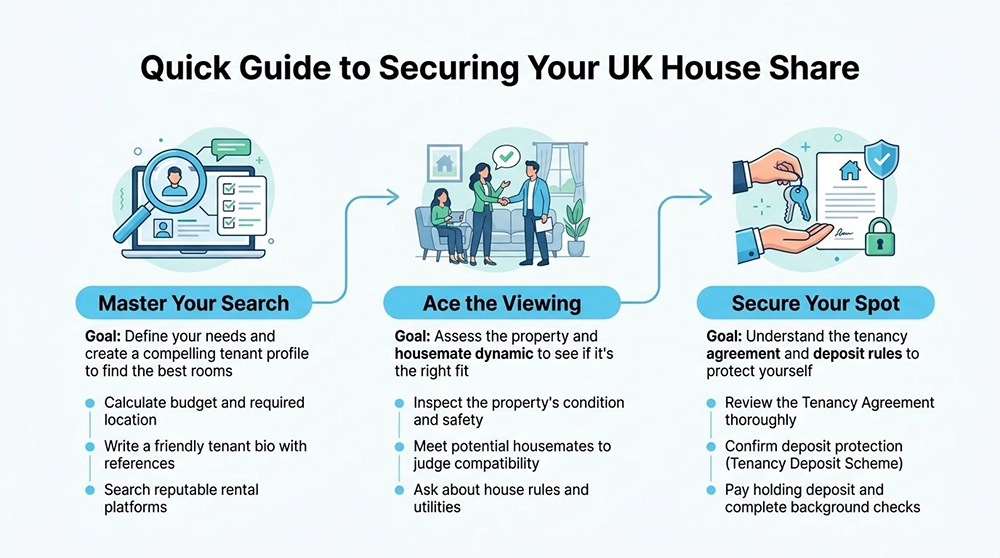
As you can see, it's a methodical approach. It’s not just about finding a room; it’s about finding the right room and covering all your bases along the way.
A great house share is a combination of the right property and the right people. Your goal is to assess both equally. Don’t get so distracted by a newly refurbished kitchen that you forget to ask about the cleaning rota or guest policy.
Here is a quick overview of the key stages you'll need to navigate.
Quick Guide to Securing Your UK House Share
| Stage | Your Main Goal | Why It's Critical |
|---|---|---|
| 1. The Search | Define your needs and create a standout tenant profile. | A focused search saves time, and a great profile gets you through the door for viewings in a competitive market. |
| 2. The Viewing | Assess the property, the landlord, and your potential housemates. | This is your chance to spot red flags and, more importantly, gauge the 'vibe' of the house. Compatibility is key. |
| 3. The Legal & Move-in | Understand the contract, protect your deposit, and move in smoothly. | This protects your rights and money, ensuring you start your new living arrangement on a secure and positive footing. |
Following these steps will put you in a strong position to find a quality house share.
What This Guide Covers
We’ll walk you through everything you need to know when looking for a house share to rent. Here’s what you can expect:
- Nailing Your Search: We’ll show you how to define what you really want, use rental platforms like a pro, and put together a tenant profile that gets you noticed.
- Acing the Viewing: You'll get a detailed checklist for inspecting the property, but just as crucially, we'll give you the questions to ask to figure out the social dynamic and if you'll actually get on with your new housemates.
- The Legal Side, Simplified: Tenancy agreements, deposit protection schemes, and landlord responsibilities can feel complicated. We'll break it all down so you know your rights and can rent with confidence.
By the end of this guide, you’ll have the tools and know-how to navigate the market, spot the red flags, and find a fantastic house share anywhere in the UK.
How to Master Your Search for the Perfect Room
Let's be honest, trawling through hundreds of listings for a house share to rent can feel like a full-time job. But a smart, focused search is the secret to avoiding endless scrolling and finding a place that actually fits your life. It all starts before you even open a new browser tab.
The first thing you need to do is get clear on what you’re looking for. Grab a pen and paper and draw two columns: 'Must-Haves' and 'Nice-to-Haves'. Seriously. This simple list will be your North Star, stopping you from getting sidetracked by a room with a nice paint colour in a completely impractical part of town.
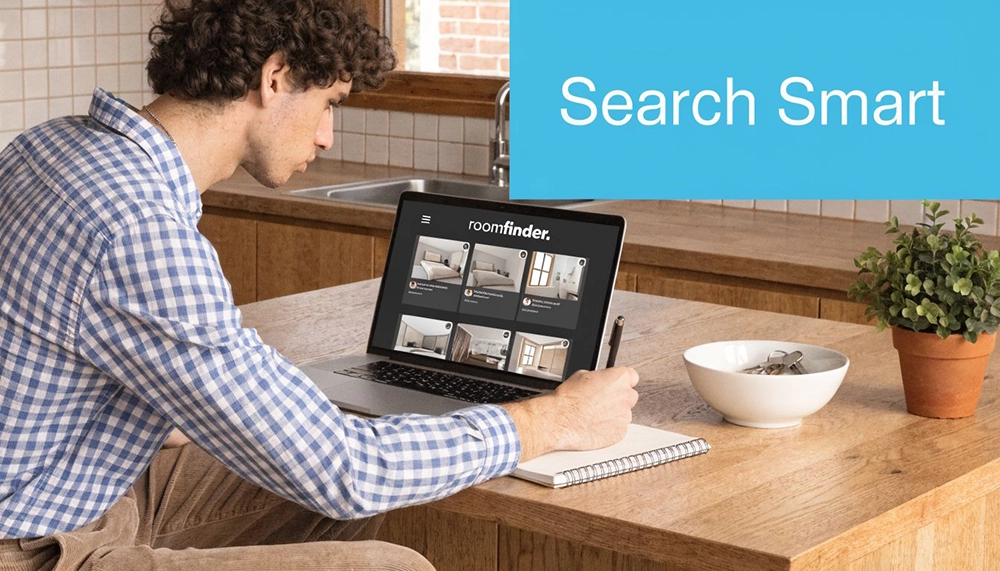
Defining Your Search Criteria
Your 'Must-Haves' are your absolute deal-breakers. These are the practical, non-negotiable points that a property has to meet.
- Budget: Be brutally realistic. What’s your absolute maximum for rent and bills? Work out your total figure for everything—council tax, gas, electricity, water, and Wi-Fi—before you start looking.
- Location & Commute: Pinpoint your target neighbourhoods. What’s the longest you’re willing to travel to work or uni each day? Use Google Maps to check actual journey times from specific postcodes. A slightly cheaper room isn't a bargain if it adds a £150 monthly travel card to your outgoings.
- Essential Amenities: Is an en-suite non-negotiable? Do you absolutely need a parking space? Are you looking for a furnished room only? Get specific.
The 'Nice-to-Haves' list is for the extras—things like a garden, a big living room, or being within walking distance of a gym. Knowing the difference helps you make a quick decision when a place ticks most, but not all, of the boxes.
Creating a Tenant Profile That Gets Noticed
In a busy rental market, your first message is everything. Most landlords and current tenants are drowning in low-effort, "Is this available?" messages. Yours needs to do better.
Most rental sites, including our own, give you a profile to fill out. Don't skip this. Add a clear, friendly photo and take ten minutes to write a bio that sells you as the perfect housemate.
Pro Tip: Think of your bio as a mini-CV for a housemate. Mention what you do for a living, your general routine (e.g., "I work 9-5 in the city, so I'm pretty quiet during the week"), and a couple of hobbies. It proves you're a real, interesting person, not just another applicant in a long list.
Once your profile is set, it becomes the foundation for every enquiry you send. When you find a room you like, don't just fire off a one-liner. Take a minute to write a message that proves you’ve actually read their advert. Landlords consistently tell us that a little bit of personalisation is the fastest way to get your message moved to the top of the pile.
Crafting the Perfect Introductory Message
A brilliant first message makes the landlord’s job easier. It answers their immediate questions and shows you’re an organised and serious applicant.
Let's imagine you're applying for a room in a "quiet, professional household."
The Message That Gets Ignored:
"Hi, is this room still available? Can I view it?"
This is just lazy. It puts all the work on the landlord and tells them nothing about whether you’d be a good fit for their house.
The Message That Secures a Viewing:
"Hi [Landlord's Name],
I saw your advert for the double room in Clapham and it looks great. My name is Sarah, and I'm a 28-year-old graphic designer working in Soho. Your place looks ideal as the commute would be very straightforward.
Your ad mentioned you're looking for a quiet professional, which sounds like a perfect fit. I work typical office hours and enjoy a relaxed home environment during the week. I'm tidy, respectful, and a non-smoker.
My tenant profile has more details, and I'm available for viewings on Tuesday or Thursday evening this week.
Looking forward to hearing from you!
Best, Sarah"
See the difference? The second message is a game-changer. It’s polite, tailored to the ad, and makes it incredibly easy for the landlord to say "yes" to a viewing. Once you’ve nailed this approach, you’re ready to start your search for an ideal room to rent on our platform.
What to Look for During a House Share Viewing
A viewing for a house share to rent isn't just a quick look around. Think of it as an investigation. You're not just inspecting a property; you're auditioning a lifestyle and, crucially, the people you’ll be sharing it with. A successful viewing means looking past any fresh paint or tidy cushions to assess both the physical space and the social dynamic.
First impressions are important, of course, but they don't tell the whole story. This is your chance to play detective and gather the facts a listing can’t possibly convey. Your goal is to walk away with enough real evidence to make a decision, not just a vague gut feeling.

Assess the Physical Property
When you step inside, it's time to put your detective hat on. The landlord and current tenants will naturally show the property in its best light, but you need to look closer. Don't be shy about running taps, opening cupboards, and checking windows.
These checks are essential for spotting potential problems that could become major headaches down the line.
- Signs of Damp and Mould: Look for peeling wallpaper, a musty smell, or dark patches on walls, especially in corners, behind furniture, and in the bathroom. These are red flags.
- Water Pressure: A simple but vital test. Turn on the shower and the kitchen tap. Is it a pathetic trickle or a powerful stream? Low water pressure is a daily frustration you can live without.
- Window and Door Seals: Check if windows open and close properly. Can you feel any obvious draughts? Poorly sealed windows mean a colder home and higher energy bills come winter.
- Communal Area Condition: Pay very close attention to the kitchen and bathroom. Are they genuinely clean and well-kept, or do they just look tidy on the surface? The state of these shared spaces tells you a lot about the household’s standards.
Remember, you’re not just renting a bedroom; you’re renting access to the whole property. The condition of the kitchen and living room will affect your daily life far more than the colour of your bedroom wall.
A quick note on research: while it’s tempting to search for rental data online, be aware that much of the information can be skewed towards other countries. Many prominent reports focus on the US market, which operates under different rules. You can explore how these reports are structured, but always double-check details against UK-specific sources like the Office for National Statistics.
Gauge the Social Atmosphere
This is, arguably, the most important part of viewing a house share. A gorgeous flat with nightmare housemates is still a nightmare. On the flip side, a more modest property can be an amazing home if you click with the people.
Your mission is to get a read on the household 'vibe'. Is it a quiet, early-to-bed group of professionals? A sociable, always-on-the-go student house? Or a close-knit group that cooks and hangs out together? There’s no right or wrong answer, but one will be a much better fit for you.
Watch how the current tenants interact with each other. Do they seem friendly and relaxed? Or is the atmosphere a bit tense? Trust your instincts on this one.
Questions to Ask the Landlord and Tenants
Arriving with a list of questions shows you’re a serious and organised applicant. It also stops you from forgetting something vital in the heat of the moment. It’s smart to tailor your questions for the landlord versus the people already living there.
Questions for the Landlord or Agent
- How much is the deposit, and which government-backed scheme will it be protected in?
- What's the total monthly cost, including all bills (council tax, utilities, Wi-Fi)? If they’re separate, what are the average monthly amounts?
- What is the minimum tenancy length, and what’s the notice period?
- How are maintenance issues reported? Is there a specific contact or online system?
Questions for the Current Tenants
- What's a typical week like here? Is it more of a party house or generally quiet and relaxed?
- How do you all handle cleaning? Is there a rota, or is it more of an informal free-for-all?
- What’s the general approach to having overnight guests or partners stay over?
- What's the best and worst thing about living here?
That last question is brilliant. It’s disarmingly direct and often gets you the most honest insights—whether it’s about the noisy neighbour, the temperamental boiler, or the fantastic local pub just around the corner. By asking these questions, you gather the complete picture needed to find the right house share to rent.
Understanding UK Tenancy Agreements and Deposits
You’ve navigated the viewings, found housemates you actually like, and the landlord has just offered you the room. Fantastic! But before you celebrate, it's time for the most important part: the paperwork. Getting your head around the tenancy agreement and deposit rules for a house share to rent is your single best move for a hassle-free tenancy.
That document you’re about to sign isn't just a formality. It’s a legally binding contract that spells out your rights and responsibilities. It might look like a wall of dense legal jargon, but knowing what to look for puts you in control.
For most house shares where the landlord lives elsewhere, the contract you'll encounter is an Assured Shorthold Tenancy (AST). This is the standard, and it gives you significant rights, including protection from being evicted without a proper, formal process.
Are You a Tenant or a Lodger? It Matters.
But what if you're moving into a property where the landlord also lives? This makes you a lodger, not a tenant, and it's a crucial difference.
A lodger agreement offers far fewer legal protections. Your landlord doesn't need a court order to end the tenancy and only has to give you ‘reasonable’ notice, which could be as short as a month. Knowing which camp you fall into before signing anything is absolutely essential.
- Assured Shorthold Tenancy (AST): This is for when you rent from a landlord who lives elsewhere. You have stronger tenancy rights and eviction protection, and your deposit must be protected.
- Lodger Agreement: You rent a room in your landlord's main home and share spaces like the kitchen or bathroom with them. You have fewer rights, and the landlord can end the agreement much more easily.
Always get this clarified if you're even slightly unsure. It defines your entire legal standing.
Protecting Your Deposit
Handing over a chunk of cash for a deposit—usually equal to four or five weeks' rent—is a standard part of securing a room. But that money is still yours.
If you have an AST, your landlord is legally required to protect your deposit in one of three government-approved tenancy deposit schemes (TDPs). They have 30 days from receiving your money to do this, and they must give you the official details, including which scheme it’s in and how the process works.
Your deposit is not the landlord's to keep. It is your money, held as security. The protection scheme makes sure it can only be used for legitimate, proven deductions when you move out.
This system is your safety net against unfair claims. If your landlord wants to deduct money for damages and you don't agree, the scheme's free dispute resolution service will step in to make a fair decision. It's a huge improvement on the days when tenants had little power to challenge a landlord's decision.
The Landlord's Checklist: What They MUST Give You
Beyond protecting your deposit, your landlord has other non-negotiable legal duties to ensure the property is safe. These aren't optional extras; they're legal requirements.
At the start of your tenancy, you should be given copies of these documents:
- Gas Safety Certificate: This is an annual check by a Gas Safe registered engineer, mandatory for any property with gas appliances.
- Energy Performance Certificate (EPC): This grades the property's energy efficiency. It must legally have a rating of at least 'E' to be let.
- Electrical Installation Condition Report (EICR): A check of the property's wiring, which must be carried out every five years to confirm it's safe.
- 'How to Rent' Guide & Right to Rent Info: Your landlord must check you have the right to rent in the UK and should provide you with the government's official guide for tenants.
Knowing your rights and the landlord's obligations is key to a smooth rental experience. For more UK-focused advice, you can find a wealth of information in our dedicated resources section.
And when the time eventually comes to move out, being prepared is the best way to get your money back. For great tips on meeting your landlord's standards, check out this guide on how to secure your full security deposit. By understanding the rules from day one, you can confidently find and enjoy your new house share to rent.
How to Attract the Right Tenants for Your Room
For landlords and live-in homeowners, getting interest for your house share to rent is usually the easy part. The real challenge? Attracting the right kind of interest. Your advert is your single most important tool for achieving this. Think of it less as a simple room description and more as a job description for a new housemate—it’s your best chance to find someone who will slot perfectly into your home’s dynamic.
A vague, one-paragraph advert is an open invitation for time-wasting enquiries. A detailed, honest, and well-presented one, however, does the opposite. It draws in serious, suitable applicants, helping you fill your room faster and cutting down on those costly empty periods.
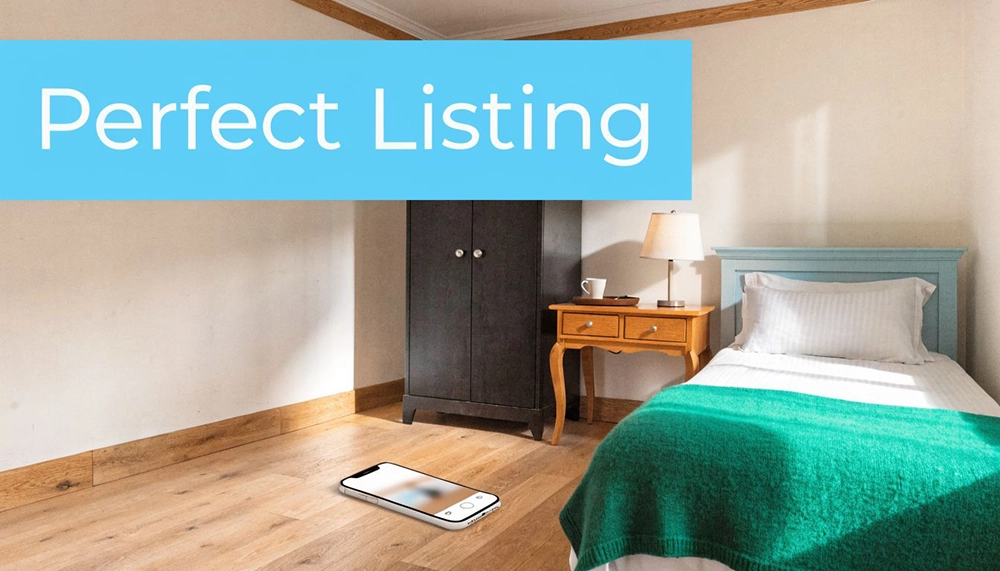
Crafting a Compelling Advert Description
Honesty and detail are your greatest allies here. The aim is to paint an authentic picture of daily life in the house, setting clear expectations right from the word go.
Kick things off with the absolute essentials: the size of the room, whether it’s furnished or unfurnished, and the monthly rent. Then, immediately clarify what that rent covers. Is it bills-inclusive? If not, you need to provide a realistic monthly estimate for council tax, energy, and Wi-Fi. Being transparent here builds instant trust.
From there, move on to the house itself. Don't just list what's there; explain how it benefits the person living there. Instead of simply writing "shared living room," try something more descriptive, like, "a sociable living room with a comfy sofa and TV, perfect for a film night."
Finally, and this is crucial, you need to describe the people.
Be completely upfront about the household vibe. Are you a group of professionals who are quiet during the week? A student house that’s a bit more lively? Or maybe a live-in landlord who really values their own space? Stating this plainly will help you attract people who are looking for exactly that kind of environment.
The Power of High-Quality Photos
In an endless scroll of listings, your photos are what will make a potential housemate pause. Taking a few minutes to stage and photograph the room properly will pay you back tenfold in the quality of enquiries you receive. You don't need a fancy camera; your smartphone is more than up to the task.
For photos that truly stand out, just follow these simple tips:
- Declutter and Clean: First things first, remove all personal bits and bobs, wipe down the surfaces, and give the room a proper clean. Always make the bed with fresh, neat linen.
- Use Natural Light: Throw open the curtains and take your pictures during the day. Bright, natural light has a way of making a space feel bigger and much more inviting. Try to avoid using the flash, as it creates harsh, unflattering shadows.
- Show Every Angle: Take photos from each corner of the room to give people a real sense of the space and layout. Don't forget to include pictures of the shared areas, like the kitchen, bathroom, and living room.
- Think Like a Renter: What would you want to see if you were searching? Make sure to capture key features like the storage space, any desk area, and the view from the window.
Vetting Applicants and Managing Enquiries
Once your advert is live, the messages will hopefully start rolling in. Having an efficient way to vet them will save everyone a lot of time. Pay close attention to how people get in touch. An applicant who has clearly read your advert and writes a thoughtful, personal message is already a far better prospect than someone who just sends a one-line, "Is this available?"
As you start to arrange viewings, a bit of due diligence is essential. While getting references from employers or previous landlords is standard practice, some people find that extra peace of mind comes from understanding a person's background more deeply. When bringing someone into your home, it's vital to do your homework; you can learn more from this actionable guide for online background checks.
Remember, the goal isn't just to find a tenant—it’s to find the right one. A well-crafted advert that honestly reflects both the physical space and the people living in it is the most critical first step towards building a happy and harmonious house share to rent.
Your House Share Questions Answered
Once you’ve found the room and unpacked your boxes, the real journey of house sharing begins. It’s one thing to find a great spot, but another to navigate the day-to-day realities of shared living. Sooner or later, questions pop up that go beyond the initial search.
This is your practical guide for those "what if" moments. From figuring out your home's legal status to handling tricky situations with the people you live with, this is the advice you'll need to manage challenges and keep your home a happy one.
What Is an HMO and Do I Live in One?
You’ll hear the term 'HMO' thrown around a lot in the rental world, and it’s a good idea to know what it means for you. An HMO is a House in Multiple Occupation. In the UK, this generally means a property rented out by at least three people who aren't from one 'household' (like a family) but share a kitchen, bathroom, or toilet.
While your local council might have slightly different rules, the main thing to know is that HMOs have to meet higher safety and management standards. Landlords of larger HMOs, typically those with five or more tenants, must get a licence from the council. This ensures the property has better fire safety measures and isn't overcrowded.
Living in a licensed HMO gives you an extra layer of protection. It means the property is on the council's radar and must stick to rules on things like minimum room sizes and having enough facilities. You can usually find a public register of licensed HMOs on your local council's website to check if your address is listed.
How Can I Resolve Disputes with Housemates?
Living with other people is a brilliant way to save money and make friends, but let's be honest—disagreements happen. Whether it’s an overflowing bin, a 2 am jam session on a Tuesday, or a debate over the heating bill, how you handle conflict is everything.
The best approach? Get ahead of it. Many happy house shares set up a simple housemate agreement right at the start. It’s not a legally binding contract, but just a set of house rules everyone has agreed to.
A good agreement often covers:
- A cleaning rota: The classic. Who cleans what, and how often?
- Rules for guests: Are partners welcome to stay over? Is there a limit on how many nights?
- Noise levels: Agreeing on quiet hours is a game-changer, especially during the working week.
- Shared items: A simple system for who buys the next lot of toilet paper or washing-up liquid.
When an issue does crop up, try to tackle it early and calmly. Instead of firing off a passive-aggressive text, suggest a quick house chat. Frame it as finding a solution together, not placing blame. "The bins are overflowing again, can we figure out a better rota?" works far better than "Why am I the only one who ever takes the bins out?".
Insight: The most common arguments in a house share boil down to cleaning and money. Agreeing on a clear plan for both from day one can prevent 90% of future disputes.
What Are My Rights if the Landlord Sells the Property?
Getting a letter saying your landlord is selling up can cause instant panic. But take a breath—you have rights. A change of ownership doesn’t automatically terminate your tenancy.
If you’re in a fixed-term tenancy, your contract simply carries on. The new owner inherits you as a tenant and has to honour the exact terms of your agreement until it expires. They can't just kick you out because they've bought the place.
Your current landlord is required to give you at least 24 hours' written notice before any viewings with potential buyers, and they have to happen at reasonable times. You are well within your rights to say no if they just show up unannounced.
Once your fixed term is up, the new landlord might offer you a new contract, let your tenancy roll on month-by-month, or start the formal legal process to regain possession. The key thing is, they can’t just change the locks.
Can My Landlord Increase the Rent?
The thought of a rent hike is a worry for every renter. Whether your landlord can raise your rent—and by how much—is strictly governed by your tenancy agreement and UK law.
During a fixed-term tenancy, the rent is locked in unless there’s a specific 'rent review clause' in your contract that details how and when an increase can happen. If there's no clause, the rent cannot be changed until the fixed term is over.
If you’re on a periodic (or rolling) tenancy, things are a bit different. Your landlord can:
- Agree on a new rent with you, which you'd confirm by signing a new agreement.
- Use a 'rent review clause' if it was included in your original contract.
- Serve you a formal 'Section 13' notice to propose the rent increase.
A Section 13 notice can only be used once a year and must give you at least one month’s notice. The proposed increase also has to be fair and in line with local market rates, not just plucked out of thin air. If you think the new rent is too high, you can challenge it at a tribunal. For more in-depth advice on your rights, feel free to explore our other articles on the Rooms For Let blog.